
02.10.2026 à 22:16
Lire plus (104 mots)
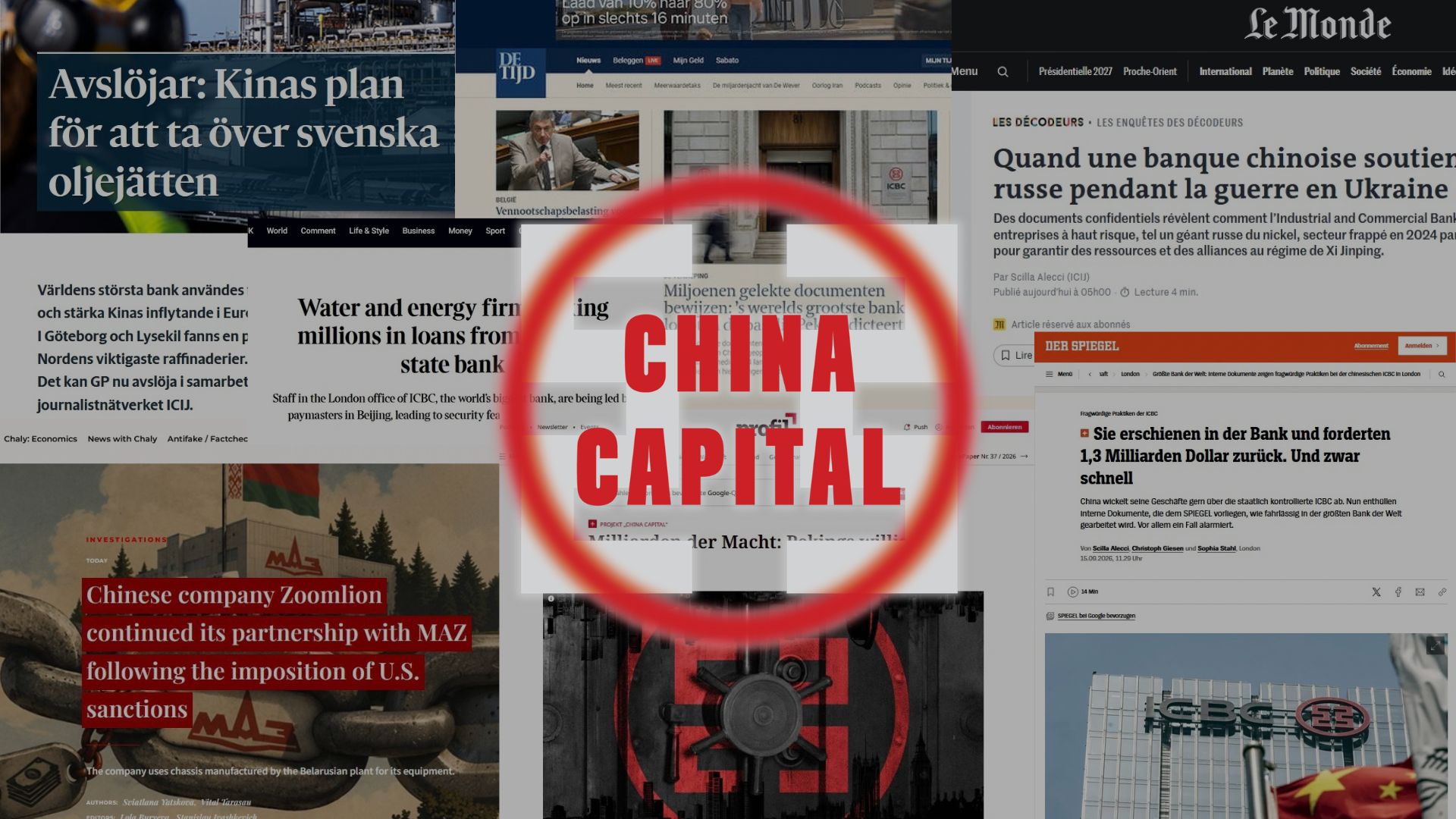
The International Consortium of Investigative Journalists hosted a live virtual discussion exploring findings of its China Capital investigation.
The event featured ICIJ reporter and Asia partner coordinator Scilla Alecci and Bradley C. Parks, executive director of AidData at William & Mary. ICIJ digital editor Carmen Molina Acosta led the discussion.
For your invitation to future events, please subscribe to ICIJ’s newsletter or consider making a donation to support our work.
01.10.2026 à 10:48
Lire plus (498 mots)
Shortly after Russia’s full-scale invasion of Ukraine in 2022, several major trading firms pledged to stop or reduce new dealings with Russian businesses, joining global efforts to weaken Vladimir Putin’s military machine.
One of them was Gunvor Group, a company co-founded by a Swedish businessman and a Russian oligarch close to the Kremlin. In 2014, a U.S. Treasury Department report said that Putin himself had investments in the energy trading firm and may have had access to its funds. Since then, Gunvor’s co-founders have exited, and the company, now valued at about $5 billion, has over the last decade sought to shake its image as a Putin investment tool.
Gunvor has publicly condemned Russia’s war in Ukraine, and in 2023 corporate filings stated that it had “largely wound-down the trade of Russian oil and products.”
Now, confidential records reviewed by Swedish daily Göteborgs-Posten and the International Consortium of Investigative Journalists show how, despite its public pledges, the trader, using some of its subsidiaries, continued doing business with sanctioned Russian oil and gas producers.
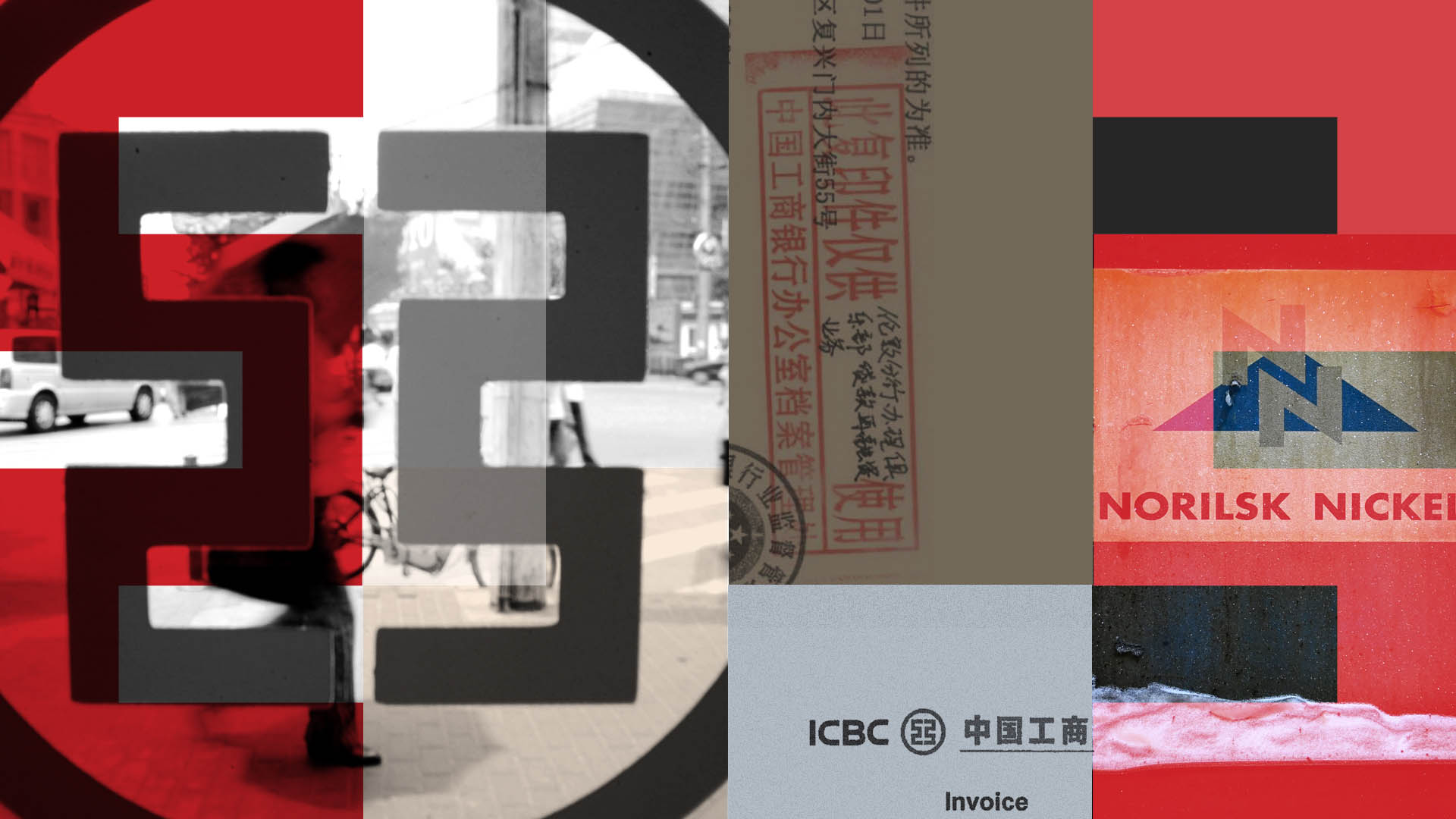
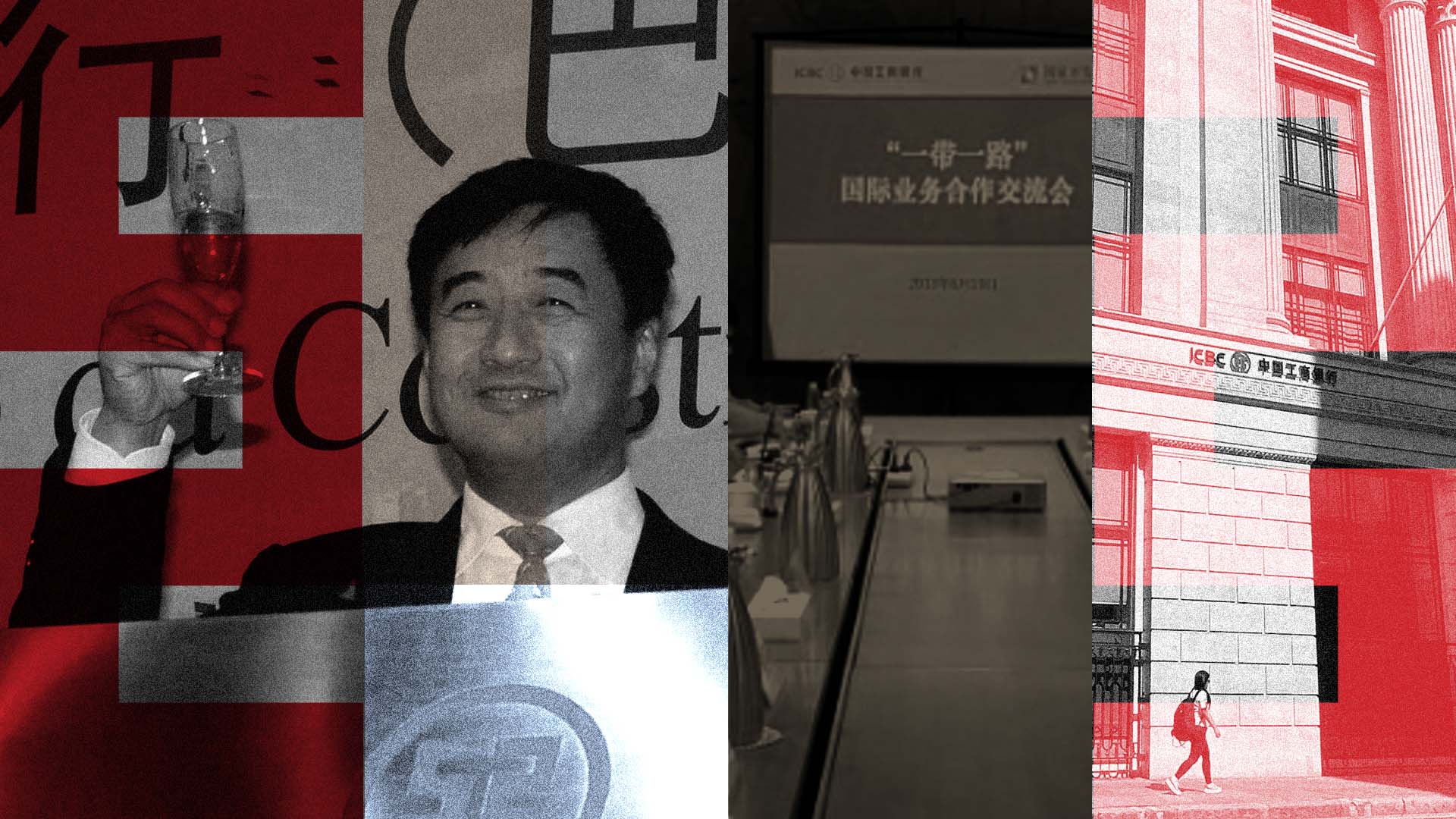
The records come from the archives of the U.K. operations of the Industrial and Commercial Bank of China, the world’s largest bank by asset size and one of Gunvor’s lenders.
https://www.icij.org/investigations/china-capital/china-banking-icbc-oligarchs-sanctions-london/
Recommended reading OVERVIEW Chinese banking giant serves firms linked to oligarchs and autocrats to push Beijing’s agenda Sep 14, 2026 PARTNER STORIES China Capital stories reveal how ICBC advanced China’s political goals across four continents Sep 23, 2026 CORRUPTION ICBC promoted corrupt executive, ignored employee misconduct as it pursued global expansion Sep 14, 2026
- GÉNÉRALISTES
- Le Canard Enchaîné
- La Croix
- Le Figaro
- France 24
- France-Culture
- FTVI
- HuffPost
- L'Humanité
- LCP / Senat
- Le Media
- La Tribune
- Time France
- EUROPE ‧ RUSSIE
- Courrier Europe Ctrale
- Desk-Russie
- Euractiv
- Euronews
- Toute l'Europe
- Afrique ‧ Asie ‧ Proche-Orient
- Haaretz
- Info Asie
- Inkyfada
- Jeune Afrique
- Kurdistan au féminin
- L'Orient - Le Jour
- Orient XXI
- Rojava I.C
- INTERNATIONAL
- Courrier International
- Equaltimes
- Global Voices
- Infomigrants
- I.R.I.S
- The New-York Times
- OSINT ‧ INVESTIGATION
- OFF Investigation
- OpenFacto°
- Bellingcat
- Disclose
- G.I.J
- I.C.I.J
- OPINION
- Au Poste
- Cause Commune
- CrimethInc.
- Hors-Serie
- L'Insoumission
- Là-bas si j'y suis
- Les Jours
- LVSL
- Politis
- Quartier Général
- Rapports de force
- Reflets
- Reseau Bastille
- StreetPress
- OBSERVATOIRES
- Armements
- Acrimed
- Conspirationnisme
- Culture
- Curation IA
- Extrême-droite
- Human Rights Watch
- Inégalités
- Justice fiscale
- Liberté de création
- Multinationales
- Situationnisme
- Sondages
- Street-Médics
- Routes de la Soie
- Wokisme