
Oil disaster unfolds in protected marine area as Russian shadow fleet tanker leak accelerates off Oman
Greenpeace International
Oman – New satellite imagery analysis by Greenpeace Germany indicates that oil leakage from the Russian shadow fleet tanker Caroline Bezengi, grounded in Oman’s Al Hallaniyat archipelago, has accelerated and is now estimated to have spread across roughly 600 square kilometres – a fourfold increase over just the last two days. Nina Noelle, international environmental disaster expert at Greenpeace Germany, said: “This is a drastic increase, indicating a deterioration of the vessel’s condition. Satellite imagery analysis suggests that the oil spill covered 45 square kilometres up until 26 July. By 2 August it had expanded to around 150 square kilometres, and imagery from 4 August indicates that it now extends across roughly 600 square kilometres . Hanen Keskes, campaigner at Greenpeace MENA said: “Even relatively small oil spills can have long-lasting consequences for marine ecosystems with chemical residues that persist in marine sediments for years, compromising their ecological resilience. With the oil leak from the stranded Caroline Bezengi now accelerating, the environmental consequences will be severe, threatening coral reefs, seagrass meadows and coastal habitats that support endangered sea turtles, migratory seabirds and marine mammals in the Hallaniyat Islands. Sea turtles rely on the islands’ beaches for nesting and egg-laying, while many seabird species depend on the islands as critical breeding sites. The surrounding waters are also home to the rare Arabian Sea humpback whale.” Large stretches of Al Qibliyah Island’s shoreline appear to have been affected, while additional oil slicks extend far out to sea, further polluting and damaging this protected marine ecosystem. The tanker has reportedly been leaking oil since it ran aground in June, following a suspected limpet mine attack that resulted in the flooding of the engine room, and urgent action is needed to contain the spill and prevent further harm to marine life and local livelihoods. The situation surrounding the tanker Caroline Bezengi is yet another alarming example of the serious environmental risks posed by Russia’s so-called shadow fleet. Sanctions are being circumvented using ageing and poorly maintained tankers, putting coastlines and marine ecosystems at risk in order to maintain revenues that help finance Russia’s war of aggression against Ukraine. With oil apparently leaking at an accelerating pace and the tanker stranded in a difficult location, there is an imminent risk of an unprecedented oil disaster from a broken tanker, with devastating consequences for the region’s coastlines and marine ecosystems. Greenpeace urges the Omani authorities and all relevant regional bodies to act immediately to assess all remaining options to contain the spill, secure the tanker’s cargo and conduct a comprehensive, independent assessment of the ecological damage. Where additional capacity is needed, Oman should urgently request international assistance for expertise, equipment and resources as required. The Caroline Bezengi is stranded close to Al Qibliyah, an uninhabited island in the Al Hallaniyat archipelago, within a marine protected area. According to reports, the tanker was nearly fully loaded when it ran aground and estimated to be carrying around 800,000 barrels of oil. The difficulties surrounding the Caroline Bezengi reflect wider concerns raised by previous Greenpeace investigations into Russia’s shadow fleet.[1] The vessel lost its flag registration in Cameroon on May 29, and is since listed as ‘flag unknown’ by the International Maritime Organisation. Omani authorities reportedly ordered the Shanghai-based owner to act, but received no response. The tanker is not insured by any recognised Protection and Indemnity (P&I) club, but an opaque insurer called Arsenal Kyrgystan, apparently based in the Kyrgyz Republic, according to information for October 2025 obtained by Greenpeace Nordic from Danish authorities.[2] It is unclear whether that cover remains valid and will make sufficient funds available for emergency measures, clean-up, ecological restoration and compensation. Without an accountable owner and clear, adequate insurance or even a responsible flag state, Oman and affected communities risk being left to fully bear the environmental and financial consequences of this unfolding disaster. ENDS Satellite images from the Greenpeace Global Mapping Hub available in the Greenpeace Media Library Notes: [1] Previous Greenpeace investigations into Russia’s shadow fleet: Greenpeace has actively targeted Russia’s “shadow fleet”, a network of aging, underinsured oil tankers used to evade sanctions, through a combination of direct ocean protests, investigative research, and environmental modeling. Activists from Greenpeace Germany, Greenpeace Nordic, and Greenpeace CEE/Ukraine have staged direct peaceful actions, such as painting messages on offshore bunker refuelers and protesting in European waters to highlight the double threat of war funding and catastrophic oil spills. To hold governments accountable, Greenpeace Germany published a comprehensive report cataloging 192 high-risk shadow fleet tankers, which helped inform subsequent EU sanctions, and developed interactive oil spill simulations to visually demonstrate how potential leaks from these decaying vessels would devastate coastal ecosystems. [2] Information obtained via an FOI request to the Danish Marine Authority (DMA) by Greenpeace Nordic in 2026. The web-site for a company under this name, claiming to provide marine insurance services can be found here: https://arsins.kg/en/about. The DMA obtained this information from the captain of the Caroline Bezengi, when it moved in and out of the Baltic in 2025 and 2024. Contacts: Hiam Mardini, communications and media manager, Greenpeace Middle East and North Africa (MENA), +961 71 553 232, hmardini@greenpeace.org Greenpeace International Press Desk, +31 (0)20 718 2470 (available 24 hours), pressdesk.int@greenpeace.org Texte intégral (1047 mots)
Wildfires and climate change: Why the smell of smoke is a global health warning
Julie Amira Byrnes
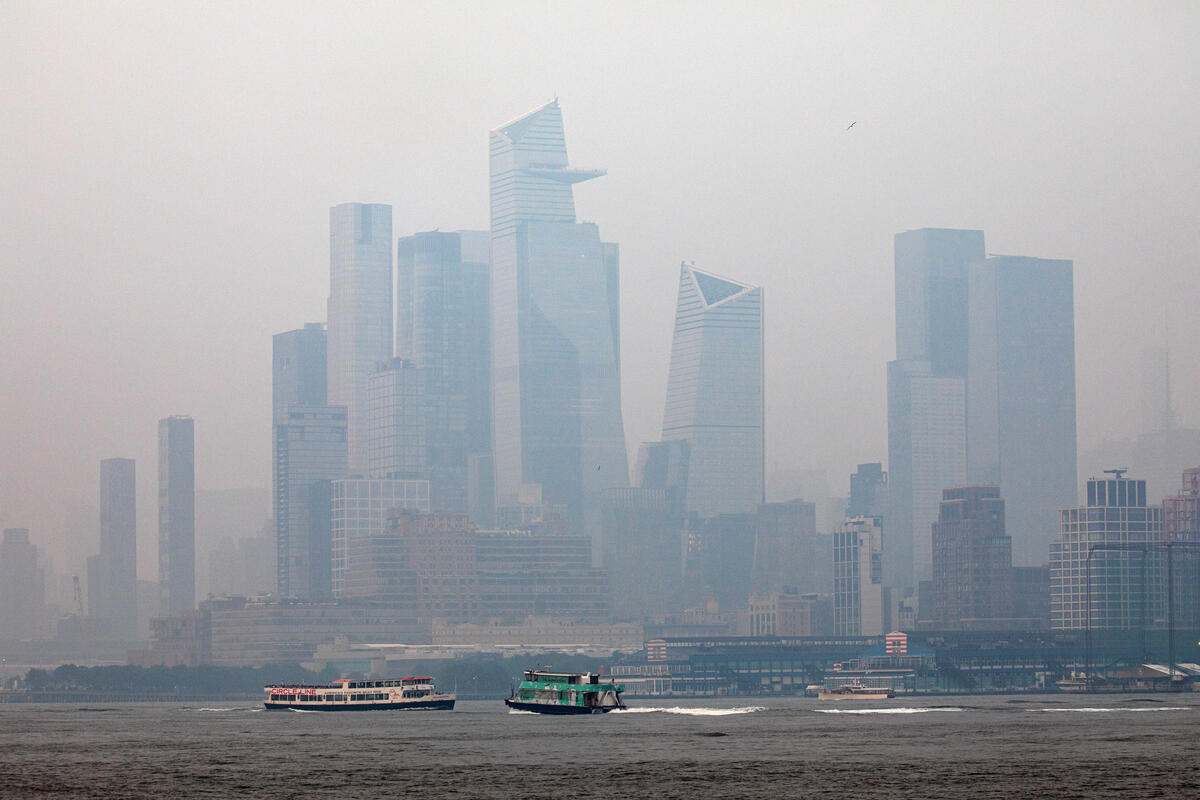
Last week I woke up to a hazy, orange sky, a red sun, and the smell of burning wood drifting through the Montreal city air. Smell is one of our strongest ties to memory.1 As someone who has spent years camping with friends, I have always associated the scent of burning wood with warmth, laughter by the fire, and a deep connection to nature. This time, the smell made my stomach sink. That scent did not come from a nearby campfire. It was millions of hectares of boreal forest burning across the continent. My throat tightened as I thought of the thousands of people, especially Indigenous communities, forced to evacuate while their homes burned to the ground. We are actually witnessing a global ecological shift. Canada’s devastating 2023–24 wildfire seasons saw 20.4 million hectares burn down. These were not isolated events. We’re seeing forests burn around the world, from Australia’s bushfires and Mediterranean blazes to the burning Amazon; climate-driven fire seasons are increasingly common occurrences. Climate change and wildfire smoke do not respect geopolitical borders. In 2023, haze from Canadian fires crossed the Atlantic and caused air quality alerts in western Europe. Pollution anywhere speeds up climate disruption everywhere. If we treat ecological collapse as just a local problem, we miss how interconnected the climate crisis really is. And right about now, the images of wildfires surging from across the world create a real sense of global emergency. Do you feel this, too? We can’t keep seeing wildfire smoke as just a seasonal problem. The fine particles found in wildfire haze carry toxic chemicals, heavy metals, and black carbon that go deep into our bloodstream. Recent research confirms that breathing in wildfire smoke raises the risk of heart disease, stroke, and lung problems for months after the smoke is gone. The UN Environment Programme (UNEP) also warns that extreme fires could increase by up to 50% worldwide by the end of the century if emissions are not reduced. We must urge our leaders to consider this: What is the point of short-term economic growth or rising stock markets if the simple act of breathing outside becomes dangerous for our health? One of the most frustrating aspects of this dire situation is the gap between what politicians say and what they actually do. Governments may issue air quality warnings and talk about climate targets, but many still use public money to support fossil fuel projects and support industrial practices that worsen global warming. For example, in Canada, billions of tax dollars are set to fund fossil fuel projects, even as the country falls behind on its emissions targets. Calling fossil fuel expansion short-sighted during a climate crisis is an understatement. While oil company CEOs rake in excess profits, frontline communities and families pay the real price through health problems, food insecurity and higher living costs. For over a century, industry-led forest management has focused on putting out all fires, clear-cut logging and planting monoculture tree plantations. Unfortunately, this has led to dense, uniform forests, turning them into giant tinderboxes during climate-exacerbated heatwaves. To change this, we need to move from just fighting fires to caring for forests in a holistic way that respects nature and Indigenous knowledge: The solutions we need already exist. If we recognize how serious this crisis is, we can move forward together and achieve real change by: The smell of firewood should continue to remind us of nights under the stars with friends, not the loss of our homes or our future. We already have the knowledge, tools, and solutions to protect and restore forests. Now is the time to ask our leaders for a long-term vision, while we can still safely breathe the air around us. Julie Amira Byrnes is Engagement Manager at Greenpeace International Texte intégral (2651 mots)
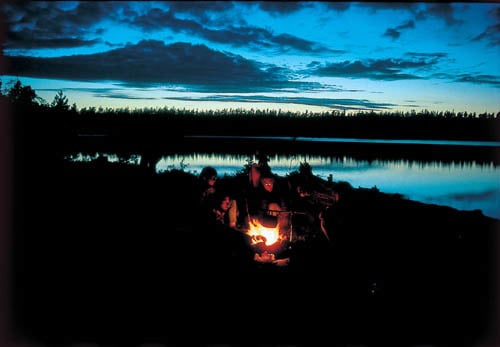
Smoke knows no borders
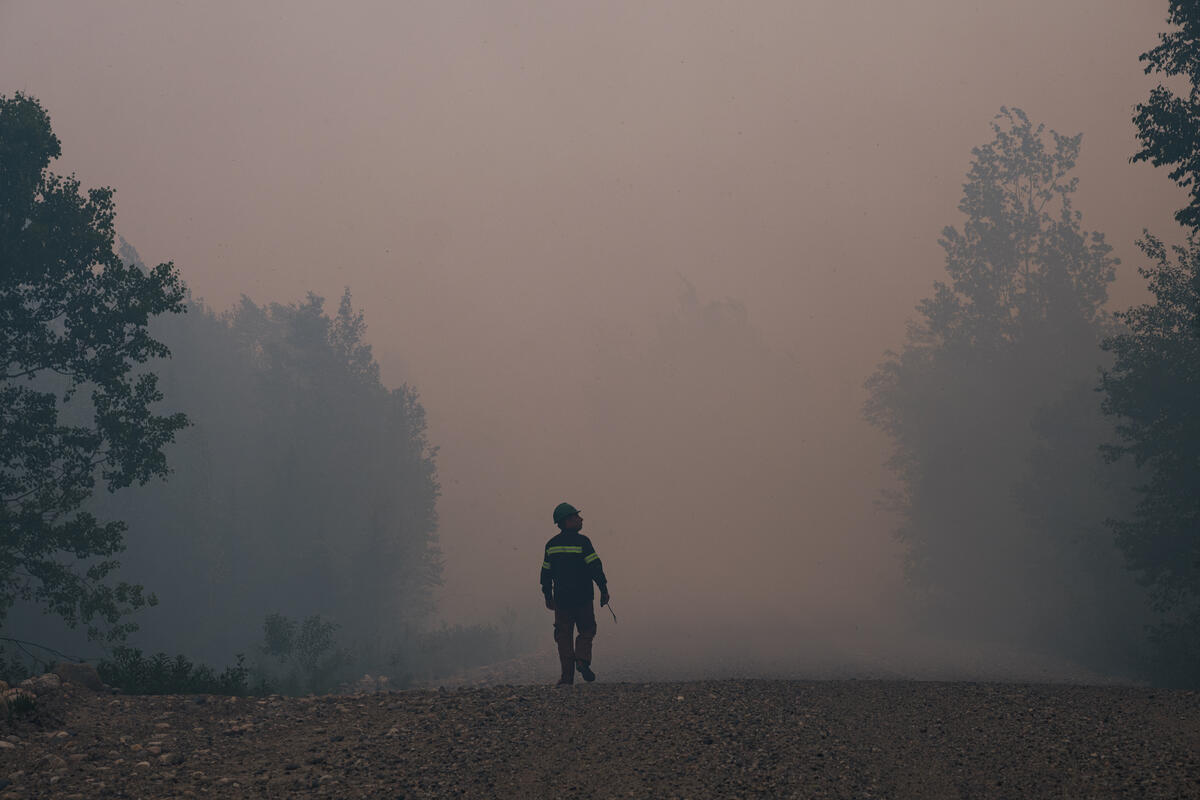
Health risks of wildfire smoke exposure
Need for political courage and systemic change
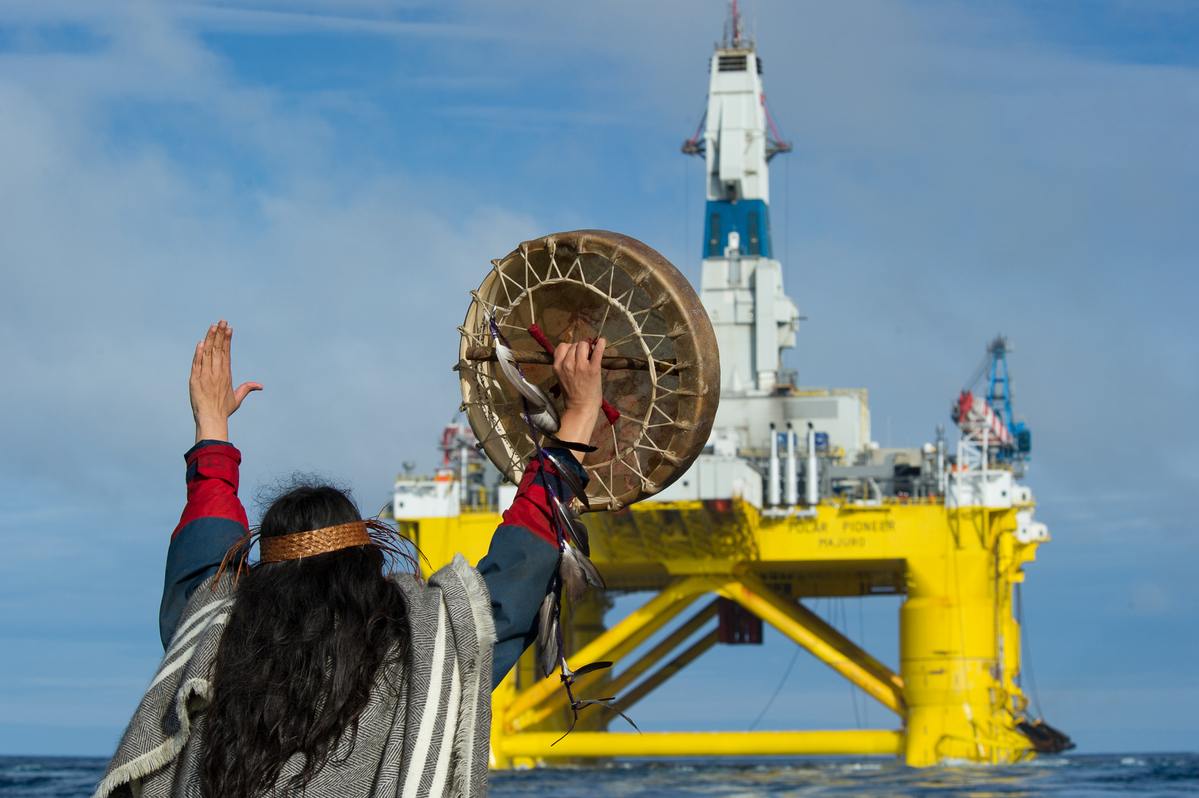
Forest management and Indigenous fire stewardship
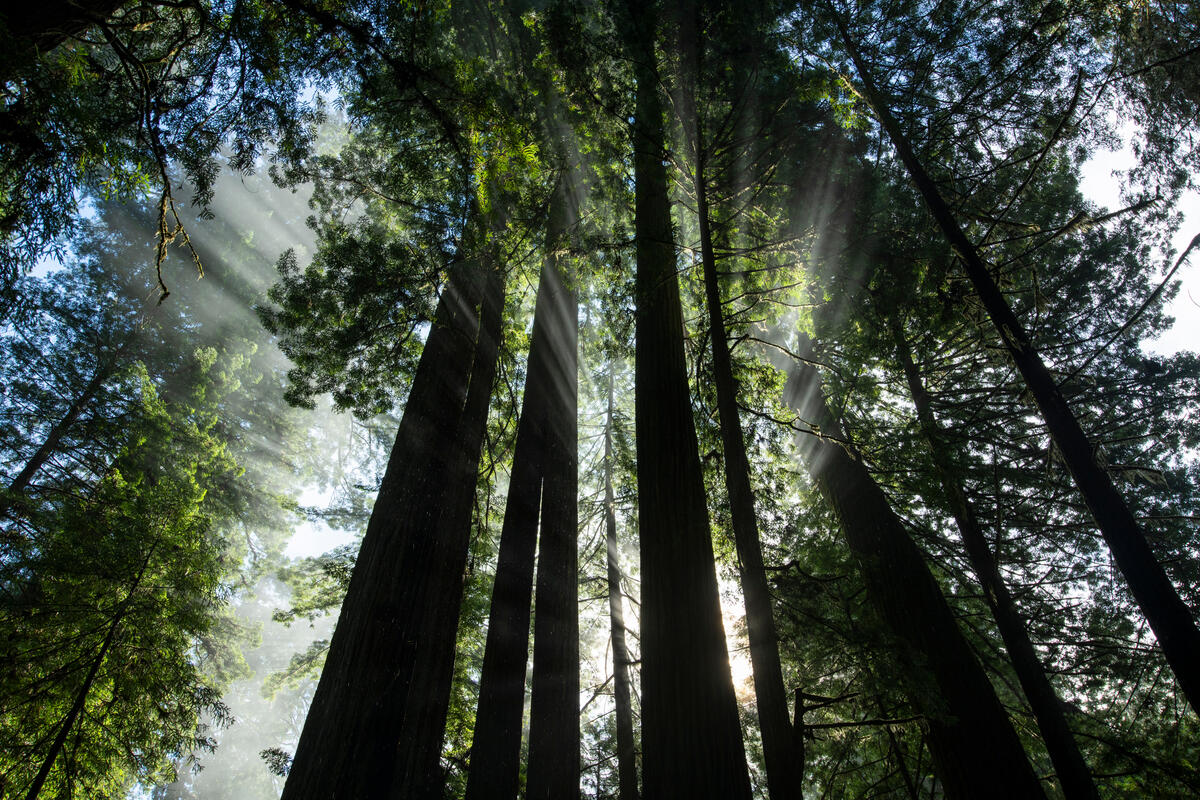
Reason for hope: Global climate solutions for wildfire prevention
Taking back our future

 ︎
︎Trillions within reach, yet governments’ Global Tax Treaty draft lets the richest climate polluters off the hook
Greenpeace International
New York – As the fifth round of negotiations on the Global Tax Treaty – also known as the UN Framework Convention on International Tax Cooperation – opens today in New York, Greenpeace International is calling on governments to raise their ambition. Gaps in the draft text, published in full for the first time, must be addressed so that global tax rules can help solve the connected climate, nature, and inequality crises, rather than letting corporate polluters and the super-rich profit while everyone else pays the price. Nina Stros, Global Senior Policy Expert, Greenpeace International said: “Governments and delegates still have not grasped what is at stake but they face a simple choice. Create global tax rules to speed the transition to a fairer, more resilient future by disincentivising investment in environmentally destructive industries, ending tax-dodging, and holding wealthy polluters to account. Or keep shielding polluting corporations and the super-rich while communities pay the price through higher bills and climate devastation. The money is right there. It is about time governments recognised this once in a generation opportunity to make those most responsible for the climate, nature and inequality crises we are facing pay their share, and reclaim trillions of dollars to invest in our shared future.” While the world recently saw its first-ever trillionaire, the largest oil and gas corporations are reporting another bonanza in second-quarter profits. Meanwhile, record-breaking heatwaves, rising ocean temperatures and the cost-of-living crisis continue to put communities under pressure worldwide.[1] The newly published ‘zero draft’ of the Global Tax Treaty falls far short of the ambition needed to hold the wealthiest polluters to account. Negotiators must push back against the disconnect between this draft and the realities of the climate and inequality crises communities face.[2][3][4] Despite 24 countries making submissions aligned with strengthening the Treaty’s Sustainable Development article, the text does not go beyond the high-level clause already in the terms of reference.[5][6] Governments are left with far too much room to continue with business as usual, rather than creating a clear new legal obligation to hold wealthy polluters to account through national and global tax mechanisms. Similarly, the polluter pays principle appears nowhere in the current draft. The article on taxing high-net-worth individuals (HNWIs) has been weakened since the last round of negotiations in January 2026, reducing obligations on countries to act. The draft also fails to include any provisions on minimum profit taxation of multinational companies, or on the taxation of extractive industries and natural resources. Ucizi Ngulube, Tax Justice Campaigner, Greenpeace Africa, said: “The global majority championed this United Nations process because the current global tax system is fundamentally unfair, serving a handful of wealthy nations and billionaires at the expense of everyone else. As we head into INC-5, countries must remain ambitious. We don’t need vague promises, we need bold proposals that stop the exploitation and inequality, and hold the ultra-rich polluters accountable for the climate damage they leave behind.” By closing loopholes on profit-shifting and tax havens, and setting new taxes, nationally and globally, on the profits of the biggest polluters and on extreme wealth, countries could unlock public funds urgently needed for climate action, nature protection and essential public services.[7] Mayor Melchor Mergal, Municipal Mayor of Salcedo, Eastern Samar, Philippines, survivor of super-typhoon Haiyan and member of Greenpeace delegation in New York said: “I have seen what the increasingly frequent and devastating storms can do to a community, and I know what it takes to rebuild. The money is needed for stronger homes, schools and health centres that can safeguard our communities against the next storm. The funds exist. What we are missing is the political will to make those most responsible pay for the damage. A strong treaty would give communities like mine the means to recover and to build real resilience through making polluters pay.” Greenpeace International is calling on negotiators in New York to strengthen the sustainable development and HNWI articles in line with the proposals countries, experts and civil society groups have put forward, to include the polluter pays principle into the text, and ensure the treaty can reclaim at least one trillion US dollars per year in public finance for climate action, public services and a fair transition. ENDS A Greenpeace delegation, including Mayor Melchor Mergal, will be at INC-5 in New York. The delegation is available for comments or interviews before, during and after the talks. Greenpeace media briefing for the key dynamics at INC-5, our analysis of the zero draft, and full background on the spokespeople. Notes: [2] The Global Tax Treaty is the first genuinely inclusive forum for delivering fair and inclusive global rules. Unlike under the OECD, every country has an equal vote, and decisions are taken by majority rather than consensus. [3] In April, 57 countries met in Santa Marta, Colombia, to advance action on ending coal, oil and gas dependence. The final synthesis report highlights under-taxation of fossil profits as a barrier to a just transition, concluding that progressive tax reforms are necessary. 141 countries also voted for a just transition away from fossil fuels under a UN General Assembly resolution endorsing the International Court of Justice’s advisory opinion on climate change in May. [4] Co-Lead’s Zero Draft of UN Framework Convention on International Tax Cooperation (July 2026) [5] Global Tax Treaty – briefing for champions on progressive polluter taxation [7] A Just Transition Away from Fossil Fuels: Greenpeace Policy Briefing Policy Briefing Contact: Greenpeace International Press Desk, +31 (0)20 718 2470 (available 24 hours), pressdesk.int@greenpeace.org Texte intégral (1245 mots)
Greenpeace Pictures of the Week
Greenpeace International
From calls for climate action in the Philippines and Switzerland, to protests demanding permanent protection of Raja Ampat. Here are a few of our favourite images from Greenpeace work around the world this week. Greenpeace activists are therefore in no mood to celebrate. On Thursday 30 July 2026, they unfurled a banner on the shores of Lake Constance at Mannenbach-Salenstein harbour bearing the slogan ‘No reason to celebrate. Climate action now!’. They are calling on Switzerland to finally acknowledge the climate crisis and take appropriate action: 100 million Swiss francs are needed for immediate measures to tackle heatwaves and protect the climate. High numbers of factory farms lead to an increased production of liquid manure, which is later spread onto the fields, with traces eventually landing in the open seas after rainfall. These substances lead to detrimental conditions in the water and the sea bed, including so-called dead zones. Drone images of the Malizia Explorer just off the Schleswig-Holstein coast. Greenpeace has been a pioneer of photo activism for more than 50 years, and remains committed to bearing witness and exposing environmental injustice through the images we capture. To see more Greenpeace photos and videos, please visit our Media Library. Texte intégral (2356 mots)

 Philippines – Greenpeace Philippines and frontline communities challenge Philippine President Ferdinand Marcos Jr. to ensure that his administration’s vision of development will protect people–not polluters–as he delivers his fourth State of the Nation Address (SONA), warning that the country cannot claim genuine progress while millions of Filipinos continue to bear the growing costs of extreme heat and the climate crisis.
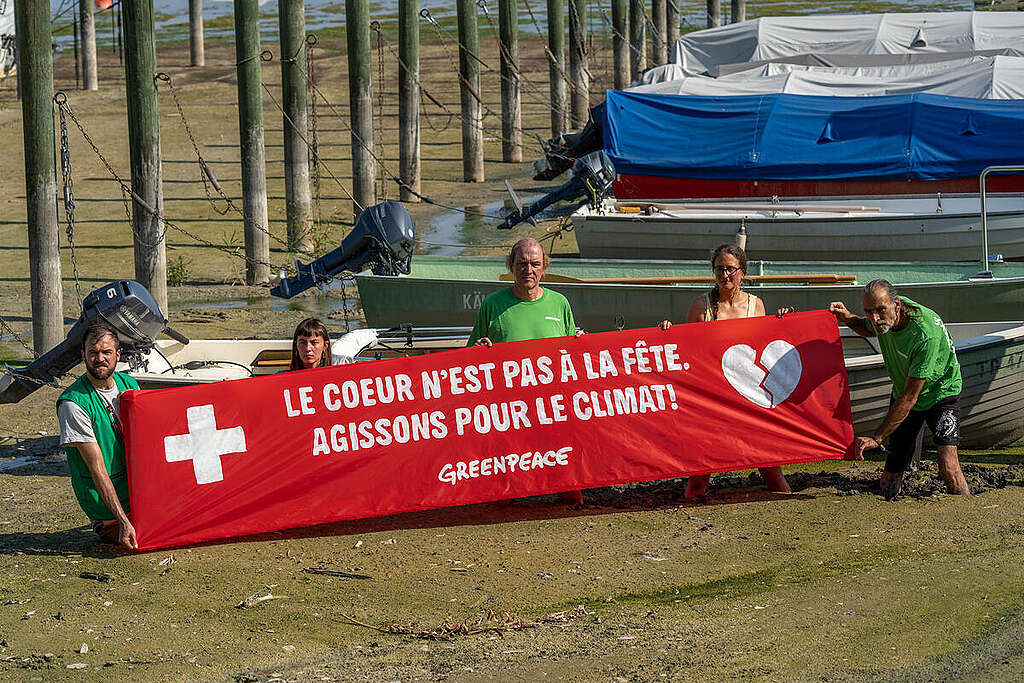
 Switzerland – The drought in Switzerland is continuing and is casting a shadow over the National Day with bans on open fires and fireworks. This summer shows what lies ahead for us. Due to global warming, summer droughts and the risk of weather-related forest fires will continue to increase.
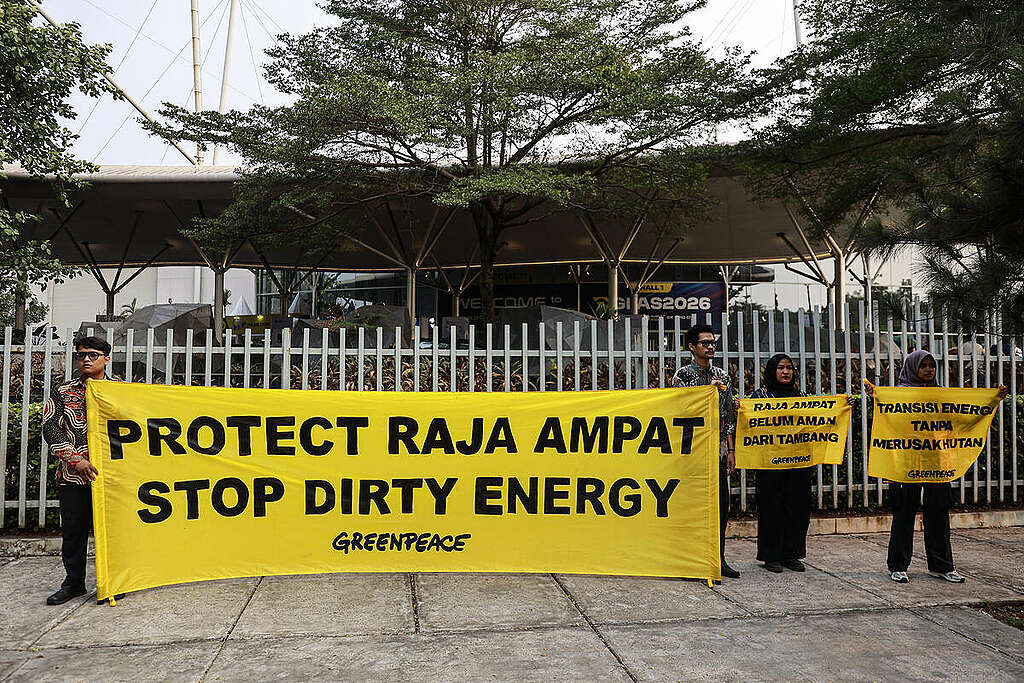
 Indonesia – Greenpeace activists staged a peaceful, non-violent protest to reiterate their call for the full and permanent protection of the Raja Ampat ecosystem. This action involved unfurling banners reading “Protect Raja Ampat, Stop Dirty Energy” and “Is Your Car Powered by Forest Destruction?” just as Industry Minister Agus Gumiwang Kartasasmita pressed the button to open the Gaikindo Indonesia International Auto Show (GIIAS) 2026, the largest annual automotive exhibition in Indonesia.
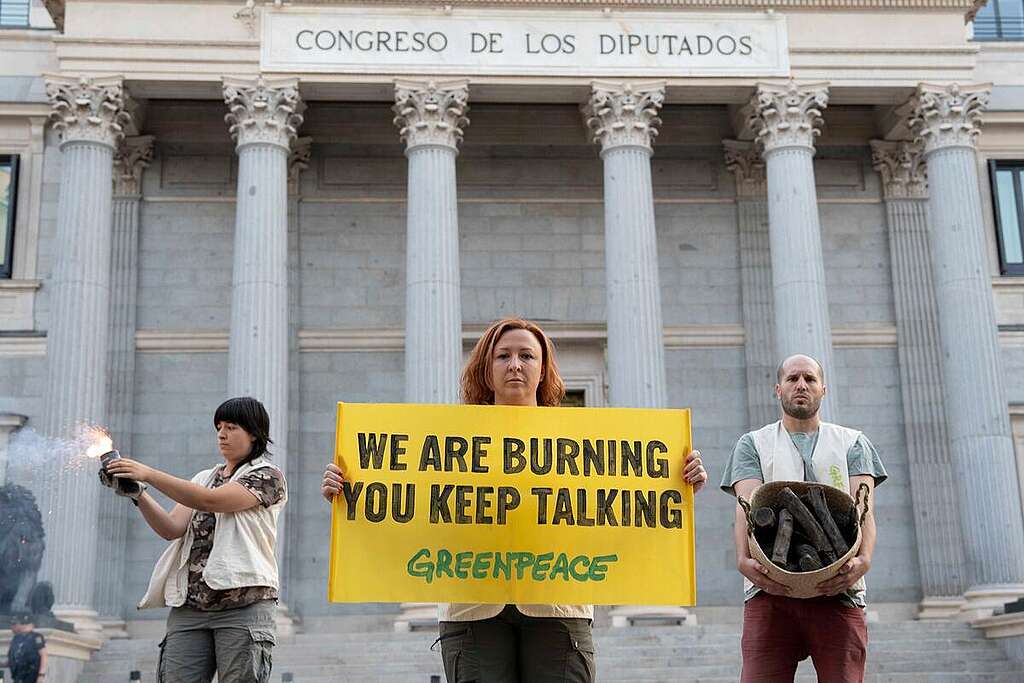
 Spain – Artificial smoke, ashes, burnt logs and a black banner outside the Congress of Deputies reading “Spain is burning. Your inaction is killing us”. This is how Greenpeace Spain activists peacefully protested this morning in Madrid to show their solidarity with the thousands of people affected by the fires, as well as demanding that political groups and administrations act and engage in real politics to address the climate emergency. All this at the start of a fourth heatwave and with much of the country affected by historic fires that have already claimed 15 direct fatalities and displaced more than 100,000 people.
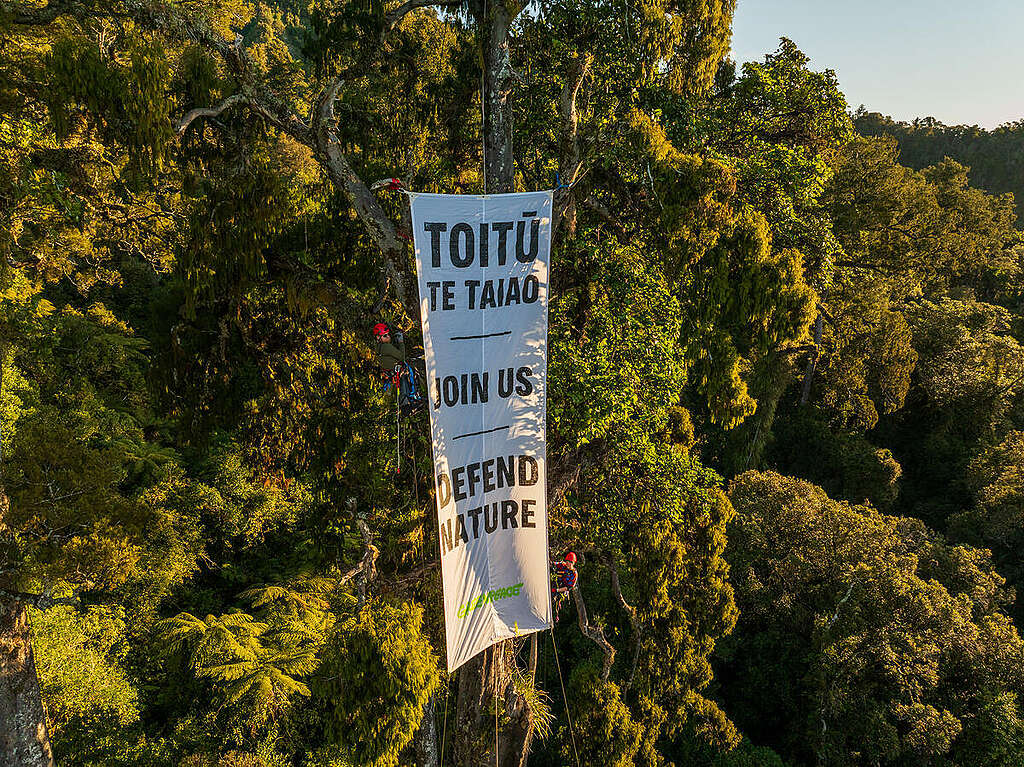
 New Zealand/Aotearoa – Greenpeace New Zealand activists dropped an 18-square-metre banner from a giant rimu tree to call for conservation land protections on New Zealand’s West Coast. They are protesting government reforms to conservation laws that would make it easier to commercially exploit and sell off public conservation land. The activists are recreating an iconic image from one of New Zealand’s most famous conservation campaigns, which successfully stopped native forest logging on public land across the country.
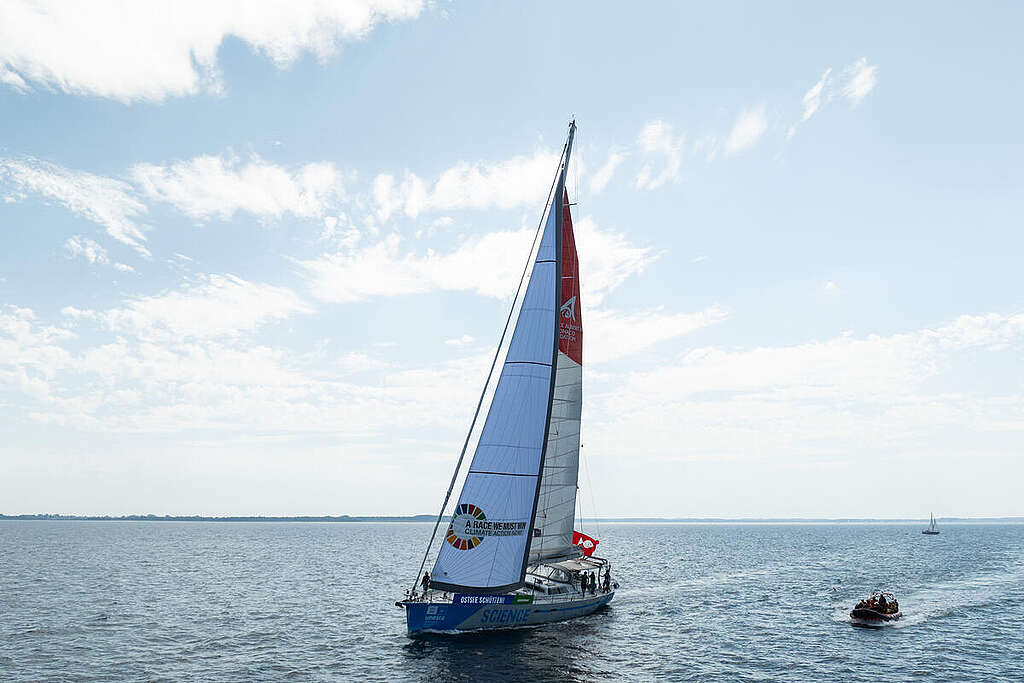
 Germany – Greenpeace documents dead zones through research carried out on Boris Herrmann’s research yacht, the Malizia Explorer along the German Baltic Sea coast. Greenpeace scientists test the water with a CTD-Probe among other methods, for nitrate and phosphorous levels, temperature, oxygen and salt levels and for PFAS.
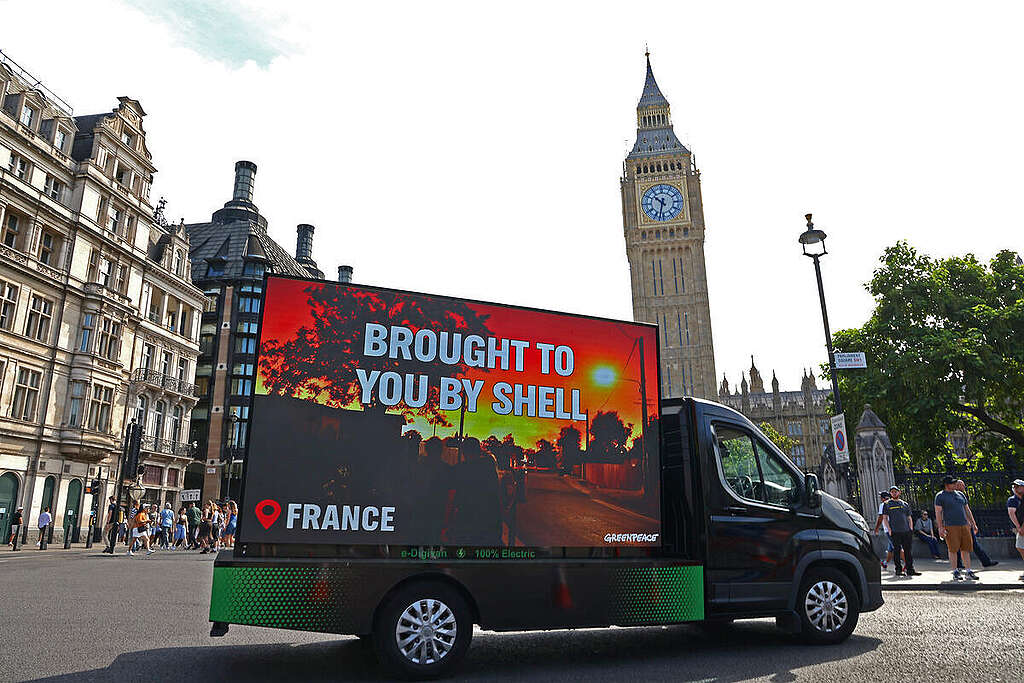
 UK – As Shell announces record profits an electric advan outside Big Ben at Westminster is showing images of the damage caused by wildfires across Europe. The images raise awareness that the biggest polluters continue to profit while ordinary people bear the brunt of the costs of these climate disasters. It’s time to hold Shell accountable and demand they pay for the damage they’ve caused.
🌱 Bon Pote
Actu-Environnement
Amis de la Terre
Aspas
Biodiversité-sous-nos-pieds
🌱 Bloom
Canopée
Décroissance (la)
Deep Green Resistance
Déroute des routes
Faîte et Racines
🌱 Printemps des Luttes Locales
F.N.E (AURA)
Greenpeace Fr
JNE
La Relève et la Peste
La Terre
Le Lierre
Le Sauvage
Low-Tech Mag.
Motus & Langue pendue
Mountain Wilderness
Negawatt
🌱 Observatoire de l'Anthropocène