
Spain and Portugal roadmaps help build momentum to end fossil fuels at COP31
Greenpeace International
Antalya, Türkiye – The announced roadmaps away from fossil fuels from Spain and Portugal at COP31 are a welcome development, but must now lead to an ambitious outcome at the UN climate conference to accelerate the phase-out of fossil fuels. Jasper Inventor, Head of COP31 of Greenpeace Delegation said: “This is a welcome push by the countries that have announced their roadmaps. We encourage other countries who are yet to do so to step forward and help secure a COP31 outcome that accelerates the phase-out of fossil fuels. These announcements send a clear signal that the era of fossil fuels will end. But the devil is in the detail: if we’re to keep 1.5°C alive we need to go harder and faster. Our collective future is on the line here at COP31.” Greenpeace Spain – Portugal also welcomed the announcement from Spain to not only present its roadmap for phasing out fossil fuels in Antalya, but also advocate for an electrification target linked to renewable energy and the phase-out of fossil fuels in the COP31 outcome. Sara Pizzinato, Climate and Energy Campaigner, Greenpeace Spain – Portugal said: “We hope that the roadmaps will include 2040 as the deadline for the decarbonisation of the economy, along with guidelines to harness the potential of sufficiency, efficiency and electrification with renewables to accelerate the transition. “Australia’s Presidency of Negotiations will be judged on whether it builds further momentum and practical pathways for the global transition away from fossil fuels. This must include an electrification pledge that is powered by clean, renewable sources that actually displace fossil fuels and align with the science of 1.5°C, not a hollow pledge that risks driving up fossil gas production.” ENDS Notes Contact: Texte intégral (631 mots)
At a press conference of the Beyond Oil and Gas Alliance (BOGA) at COP31, Spain, Portugal and Denmark announced they would launch roadmaps for the transition away from fossil fuels, while Luxembourg said it would launch its roadmap before the joint Ireland-Tuvalu conference for the transition away from fossil fuels next year. The BOGA alliance called on greater action to end fossil fuels to limit the extent and duration of the looming 1.5°C overshoot.
“Greenpeace Spain – Portugal has demonstrated that Spain and Portugal can phase out fossil fuels as early as 2040 by reducing its energy demand by 39 % and meeting the entirety of that demand with renewable energy. What Spain and Portugal must not do is resubmit the same weak targets as those in the current Integrated National Energy and Climate Plans for 2030. It must include dates for phasing out the use of coal, gas and oil (no later than 2040), and measures to end subsidies for fossil fuels.”
Simon Bradshaw, COP31 Lead, Greenpeace Australia Pacific said: “The only path to returning warming to 1.5°C is through leaving fossil fuels in the ground. To inject the momentum these talks critically need, Australia must lead by example through developing its own national roadmap away from fossil fuels, including exports. We have just heard Denmark, another fossil fuel producer, say it is putting end dates on oil and gas production. Australia must be willing to do the same.
Greenpeace Spain report: Energy for a Better Life
Aaron Gray-Block, Greenpeace International, Climate Politics Communications Manager, aaron.gray-block@greenpeace.org
Greenpeace International Press Desk, +31 (0)20 718 2470 (available 24 hours), pressdesk.int@greenpeace.org
Ocean heat: What is the ocean temperature’s role in extreme weather events?
Angelo Louw
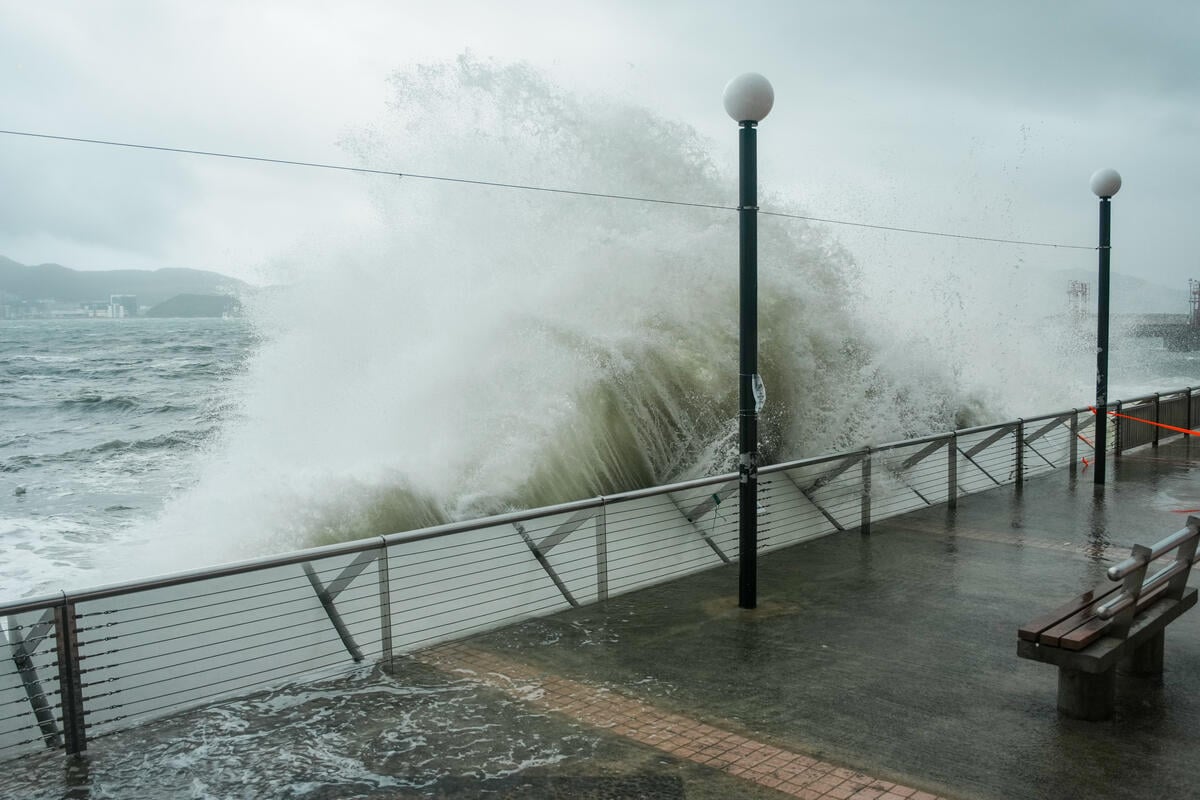
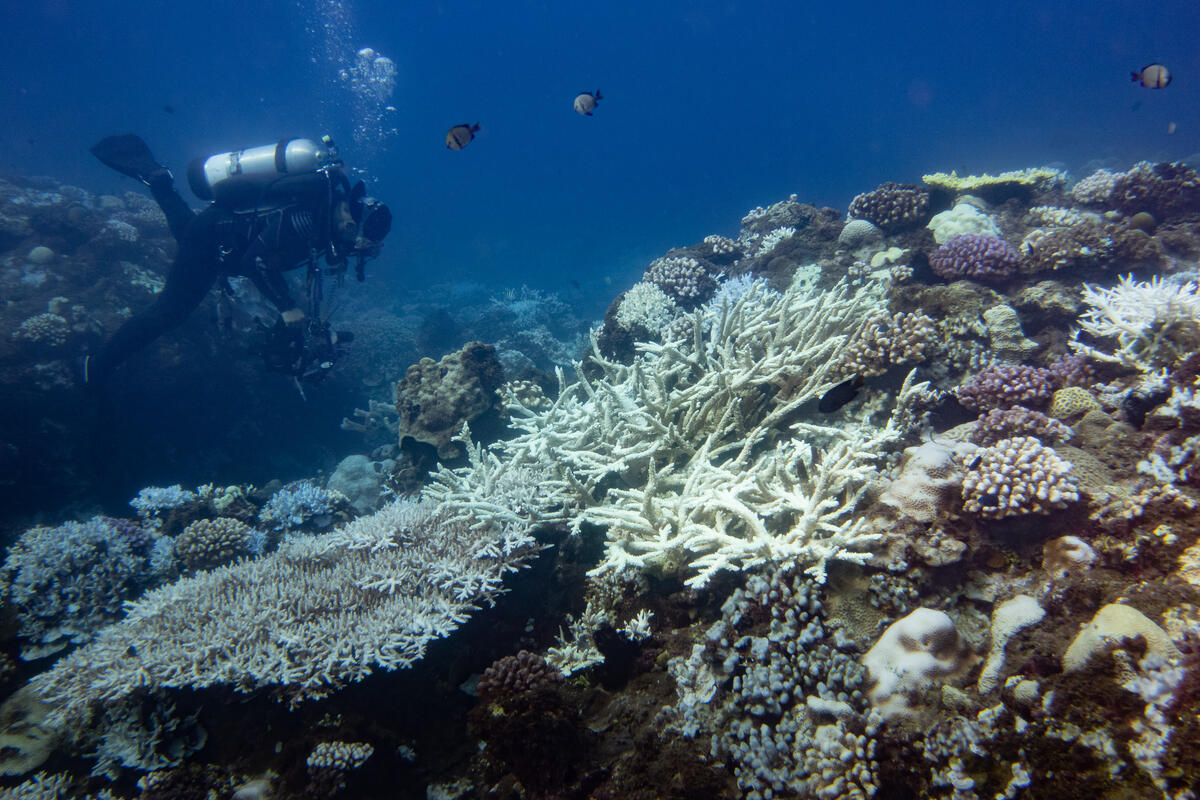
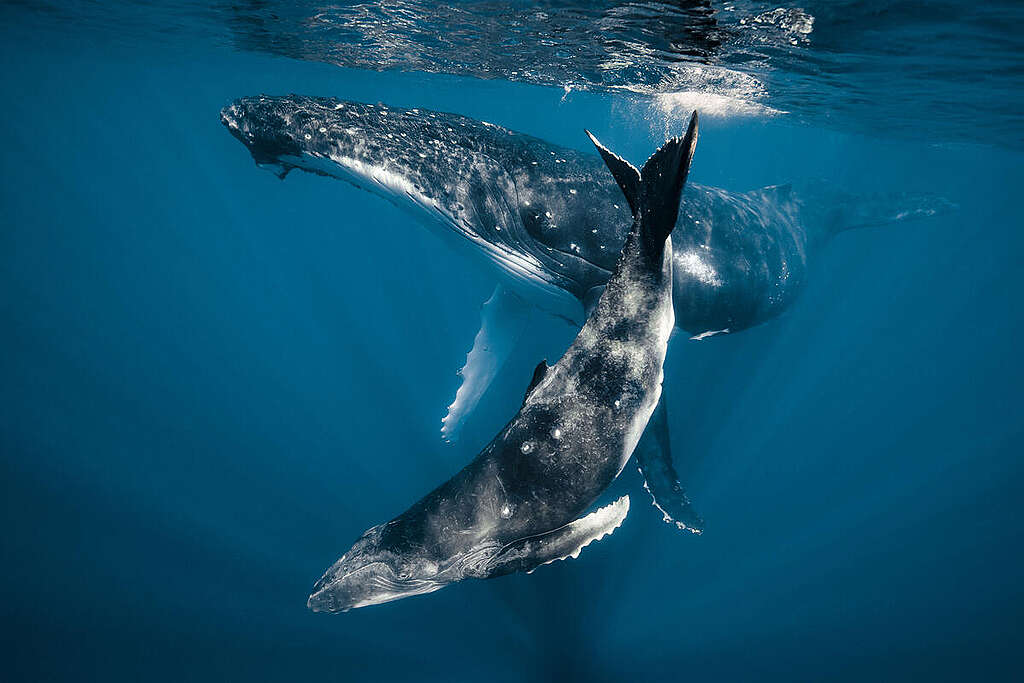
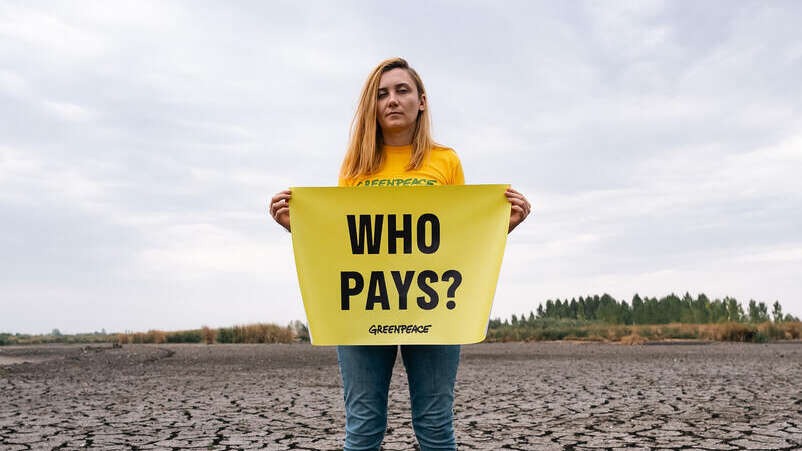
Ocean temperatures and extreme weather events are intrinsically linked – increased heat in the upper ocean surface means violent storms like cyclones, hurricanes and typhoons can pick up more energy and become more intense. Coupled with El Niño, we have seen weather patterns around the world change, with extreme weather events, like tropical storms and wildfires, happening more frequently and causing far more damage than ever before. The fossil fuel-driven climate crisis is not only supercharging ocean heating and climate impacts, but it is further destroying ocean life along with one of our best defenses against climate change. The daily global average ocean surface temperature hit a record-breaking high in August this year, reaching 21.1ºC. The ocean is hotter now than at any time ever recorded. The ocean temperature records cover the last 150 years, but based on proxy observations, we can say oceans are hotter than well before the rise of human civilisation. Recently, the European Union’s (EU) Copernicus Climate Change Service warned of unprecedented strain on the world’s oceans as El Niño and the climate crisis drive up sea surface temperatures. They also noted this new temperature high was especially strange, since global ocean temperatures usually peak in March and April, when summer in the Southern Hemisphere (which is mostly ocean, and therefore has more surface to heat) ends. With El Niño’s impact strengthening in the months that have followed, we’ve already begun to see what Copernicus has been warning about in relation to the climate phenomenon reaching “levels not seen for several decades”. Scientists noticed ocean temperatures reached uncharted territory as far back as April 2023, when it was reported that the average global sea surface temperature had hit a new record high. At the time, it was reported that the ocean had never warmed this much, this quickly since record keeping began. While not fully understanding why this had happened, they were concerned that, combined with other weather events, the world’s temperature could reach concerning new extremes by the end of 2024. In June 2023, scientists noted that heat was now rising to the ocean surface, and NOAA issued an El Niño advisory, warning of extreme weather conditions and worsening global heat records. In short, the ocean temperature is increasing because of fossil-fuel-driven global heating. Samantha Burgess, the strategic lead for climate at the European Centre for Medium-Range Weather Forecasts (ECMWF), clarified that while many assume that heat from El Niño is to blame for the devastating increase in ocean temperatures, this comes as long-term fossil-fuel-driven heating has already raised ocean surface temperatures by 0.8ºC. Over 90% of the heat associated with global heating has gone into the oceans. This rapid increase in the ocean’s temperature correlates directly with the unprecedented rising temperatures caused by climate-wrecking greenhouse gases and other pollutants. The alarming spike in ocean surface temperatures was not as sudden as it may seem. Just like global heating, we’ve known for decades – fossil fuel companies just chose to ignore the science in their relentless pursuit of profit. El Niño and its partner, La Niña, are opposite ends of a natural oscillation, the El Niño Southern Oscillation, which plays out in the tropical Pacific Ocean. During El Niño, weaker trade winds reduce the amount of cold water rising from the ocean depths, allowing surface waters in the eastern Pacific to become warmer than usual. During La Niña, stronger trade winds push warm water further west and bring more cold water to the surface, making the eastern Pacific cooler than usual. Ordinarily, El Niño raises ocean surface temperatures by 1-2ºC, but forecasts for 2026 initially predicted more than 3ºC in the coming months. More recently, the World Meteorological Organisation (WMO) seasonal outlook predicted the El Niño event would drive temperatures in the central Pacific 3.8ºC above normal ocean surface temperatures. This, too, is record-breaking. Rising ocean temperatures, firstly, have a direct impact on coastal communities and their way of fishing and living. Rising temperatures also kill off marine life, lead to more extreme weather and raise sea levels. Additionally, they are also less efficient at absorbing planet-heating greenhouse gases. Yes. Increased heat in the upper ocean surface means cyclones, hurricanes and typhoons can pick up more energy, and this means they become more intense, claiming lives, harming communities and exacerbating health risks. Warm water is jet fuel for these extreme weather events. When these juiced-up storm surges coincide with high tides, sea levels spike violently. The recent devastation caused by Typhoon Dolphin on China’s coastal mega-cities was an example of this – and served as a harsh climate reality check. Fuelled by abnormally warm waters in the East China Sea, the super typhoon rapidly intensified before making landfall in Zhejiang Province in early August 2026. Shanghai and several major cities are historically clustered in the Yangtze River Delta. Streets flooded across Shanghai, Hangzhou, and Wuxi, driven by a dangerous mix of relentless rain, river water backflow, and storm surges driving up the tide. Multiple cities issued heavy rain alerts and adjusted public facilities and transit services. Instances of extreme storm surges of two metres or more along China’s coast have doubled since the 1980s. Some places, particularly island nations like Barbados, Grenada, Fiji and Vanuatu, are particularly vulnerable to climate impacts – and are already paying the price. Unusually warm sea surface temperatures in the North Atlantic have also impacted the Atlantic hurricane season. Sky-high ocean temperatures created the conditions for Hurricane Beryl to develop in 2024, as the earliest-forming Category 5 hurricane on record in the Caribbean. As the ocean heats up, this rapid intensification is becoming more common. A dire consequence of rising ocean temperatures is more frequent and intense marine heatwaves that can lead to mass mortality of sea life. This is particularly damaging for coral reefs. In recent years, we’ve witnessed widespread coral bleaching around the world. Bleaching has been seen on reefs in the Caribbean, Florida, Egypt, and the Great Barrier Reef. Coral is Earth’s longest-living animal; as long as environmental conditions are good enough, some can live up to 5,000 years. Therefore, coral colonies usually die due to a poor living environment, extreme changes in their surroundings or their destruction by other creatures. When their living environment is not optimal, zooxanthellae that live in symbiosis with coral gradually leave or are expelled by the coral, causing coral to lose colour and gradually bleach. The optimal water temperature range for growth of most reef-building corals is 20-28°C. Unusually high ocean temperatures cause them to bleach and die. Taiwan used to be known as the coral kingdom. It has one of the widest varieties of coral in the world. Of the 700 species of stony corals on the globe, 250 species can be found along the coast of Taiwan. The country began seeing widespread coral bleaching in its waters around 2020. The Coral Reef Observation System of the National Oceanic and Atmospheric Administration (NOAA) raised Taiwan’s bleaching warning to the highest stress level during summer that year, predicting severe coral bleaching and significant mortality due to global heating. The destruction and death of coral reefs has dealt a major blow to marine ecosystems. A warming ocean has also created the perfect conditions for aquatic diseases to thrive. Scientists investigating recent mass die-offs of sardines in Southern Africa suspect that an outbreak of a fish-specific herpes virus may be responsible. The South African government stated that changes in water quality or temperature make fish more vulnerable to disease. Pilchard herpes virus poses no risk for humans; however, these mass die-offs not only disrupt food supply for coastal communities, but they can have far worse consequences for other marine life depending on the few fish left after industrial fishers loot Africa’s waters. For example, the already endangered African Penguin also experienced a mass die-off earlier this year, with 60,000 birds found dead on the Southern African coastline. As mentioned, rising ocean temperatures could radically alter the food chain and, therefore, access to food for the people who rely on fish. Much like other animal species that rely on seafood for survival, the impact of global heating on marine ecosystems poses another challenge to coastal communities’ livelihoods on top of those they already face, such as harmful industrial fishing. The climate crisis has drastically reduced seasonal catch for some fishing communities, denying them their livelihoods, safety and security. In Kerala, India, where 68% of fisherfolk fall below the poverty line, the change in rising ocean temperatures has also led to a drop in the population of vulnerable fish species, affecting the income of fishing communities and permanently altering marine life. Further, tropical storms supercharged by rising ocean temperatures can also impact coastal communities’ access to fish. In 2017, for example, Cyclone Ockhi led to a 46% fall in annual fishing days in Kerala. Not only is global heating contributing to rising ocean surface temperatures and the destruction of marine ecosystems, but rising ocean surface temperatures weaken the ocean’s ability to absorb climate-warming greenhouse gases. This destructive cycle that further adds to the harm our planet already faces Most of the heat caused by carbon dioxide from fossil fuel burning and forest destruction is absorbed by our oceans. However, a warmer ocean is less efficient at absorbing carbon dioxide. Ocean heating is potentially weakening one of the planet’s most important allies against the climate crisis and biodiversity collapse. Aquatic plant species like kelp play a similar role to trees and plants on land by trapping carbon dioxide, while providing shelter for underwater life. Healthy kelp forests indicate marine health and that life can survive and repopulate. But microscopic marine plant species called phytoplankton play an even bigger role in absorbing carbon and drawing it down into deeper water. These organisms make a major contribution to keeping the planet’s oxygen cycle in balance, absorb billions of tonnes of carbon dioxide annually, and are the foundation of the marine food web. Rising ocean temperatures are noticeably impacting these climate-buffering species. We need urgent action from governments to stop rising ocean temperatures and their knock-on impacts. We need to urgently activate the Global Oceans Treaty, which came into force this year after decades of public outcry. The creation of fully and highly protected ocean sanctuaries will help marine ecosystems recover. We also need to take action against the fossil fuel companies and meat and dairy industry that are driving up global temperatures which heat the ocean, demand a fast, fair, funded transition away from fossil fuels and defend ecosystem defenders. Healthy coastal ecosystems can be a powerful ally in addressing climate, biodiversity and inequality crises on a global scale. Coastal ecosystems, such as mangroves, seagrass meadows and salt marshes, provide critical services to people who live near them, from sustaining local diets and fishing industries to protecting homes and infrastructure from erosion and storm damage. But their climate and nature benefits spread far beyond coastal communities. By protecting the ocean’s natural ‘blue carbon’ stores, governments can increase marine life’s resilience to climate change and help to mitigate its effect. The best way for governments to protect the ocean is to activate the Global Oceans Treaty to create fully and highly protected global ocean sanctuaries. For years, harmful industrial activities, like overfishing, and climate change have been killing marine life and destroying ecosystems. This has left the ocean out of balance and is affecting all life in the ocean. When you destroy one ocean ecosystem, all parts suffer. The ‘biggest conservation victory’ and ‘most important accomplishment for international cooperation’ in decades: the historic Global Ocean Treaty came into force in 2026, thanks to millions of people who understood how important it was to stand together. Soon, governments will gather at the world’s first UN Ocean COP1 to make decisions that will shape our blue planet’s future for generations to come. The decision-makers must activate the Treaty to create fully and highly protected global ocean sanctuaries – safe places where marine life can recover and thrive, and stand firm and put the ocean before the short-term profits of destructive fishing industries. We need safe spaces for marine life and areas where the ocean can replenish and rebalance. When you destroy one ocean ecosystem, all parts suffer. Call on your government to start implementing protected ocean sanctuaries. The only way big polluters will stop their climate-wrecking quest for profits at the expense of our planet and ocean is if they are made to pay. Despite contributing most to global heating, the fossil fuel industry pays hardly nothing toward the destruction they’ve fueled. If you spill someone’s drink, you buy them another; if you break someone’s window, you pay to fix it. However, every time a wildfire rips through a town, every time water floods a home, every time heatwaves drive up energy bills and hospital visits – we pay the price. The oil, coal and gas corporations that fueled the extreme weather? They pay nothing. For decades, oil, coal and gas corporations have raked in trillions while making the world more dangerous – supercharging wildfires, floods, and deadly heatwaves. Instead of taking responsibility, they have covered it up and lied to us – as far back as the 1950s. There is nothing natural about disasters like these. This isn’t just unfair – it’s outrageous. It’s time to make them pay. Sign the pact, record your story. Join the global movement to make polluters pay. Ocean temperatures and extreme weather events are intrinsically linked – increased heat in the upper ocean surface means violent storms like cyclones, hurricanes and typhoons can pick up more energy and become more intense, causing more damage. The ocean surface temperature hit a record-breaking high, reaching 21.1ºC in August this year. Our ocean temperature records cover the last 150 years, but based on proxy observations, we can say they are hotter than well before the rise of human civilisation. Rising ocean temperatures have a direct impact on coastal communities and their way of fishing and living, kill off marine life, lead to more extreme weather and raise sea levels. They are also less efficient at absorbing planet-heating greenhouse gases. Not only does global heating contribute to rising ocean surface temperatures and the destruction of marine ecosystems, but rising ocean surface temperatures weaken the ocean’s ability to absorb climate-wrecking greenhouse gases. Texte intégral (4917 mots)
What is the ocean temperature?

When did scientists find out about rising ocean temperatures?
What is causing the ocean temperature to increase?
What does El Niño have to do with rising ocean temperatures?
What are the consequences of unusually high ocean surface temperatures?
Can rising ocean temperatures increase extreme weather events, like floods?
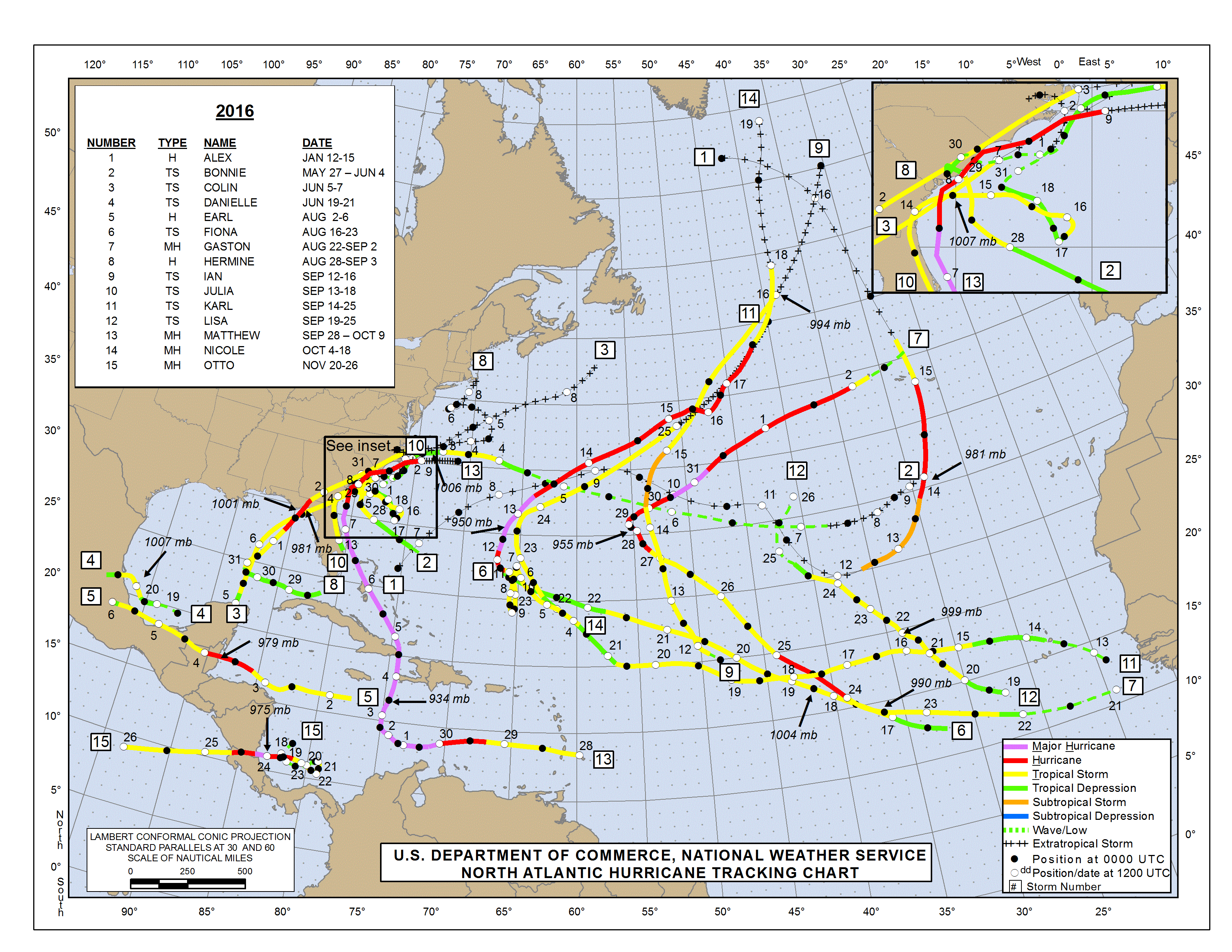
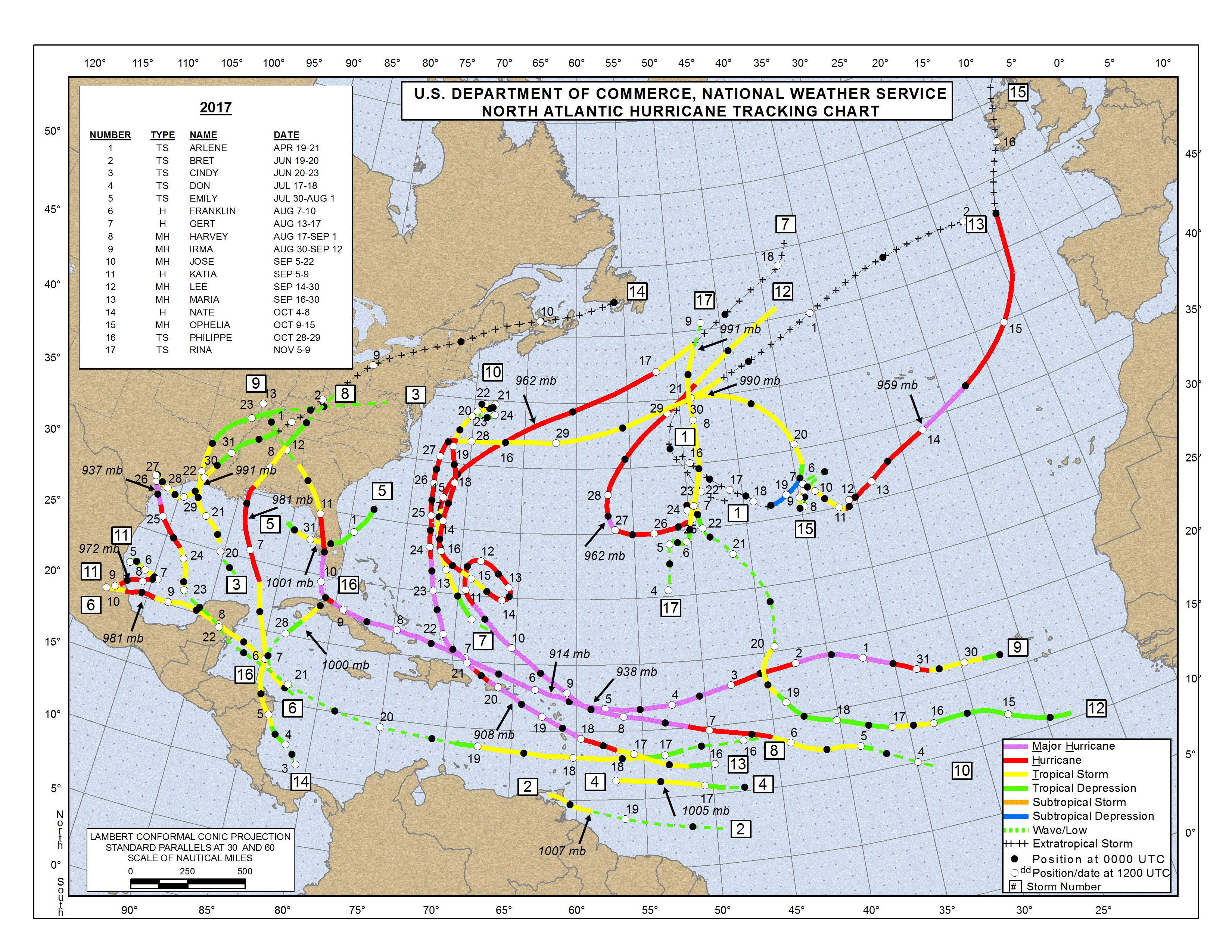
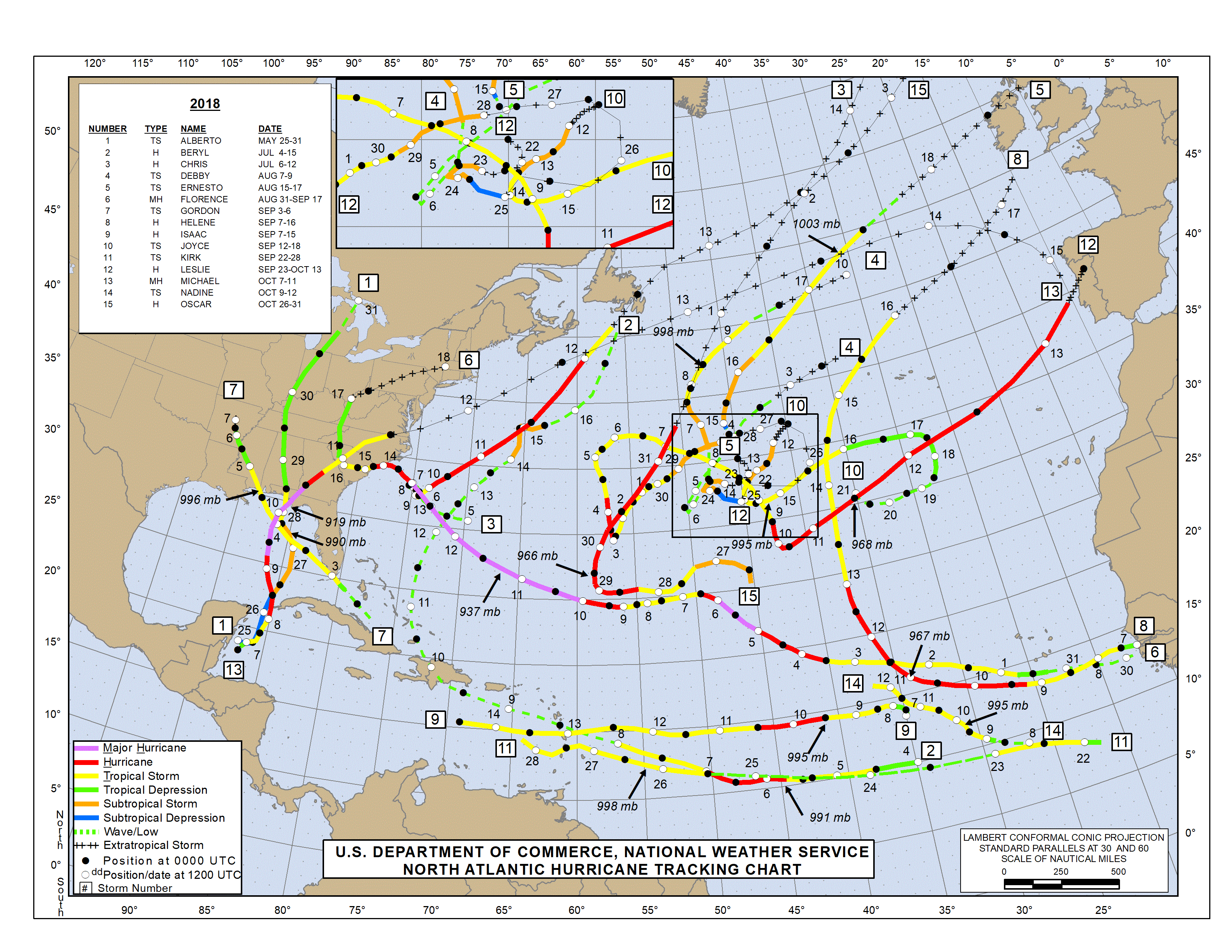
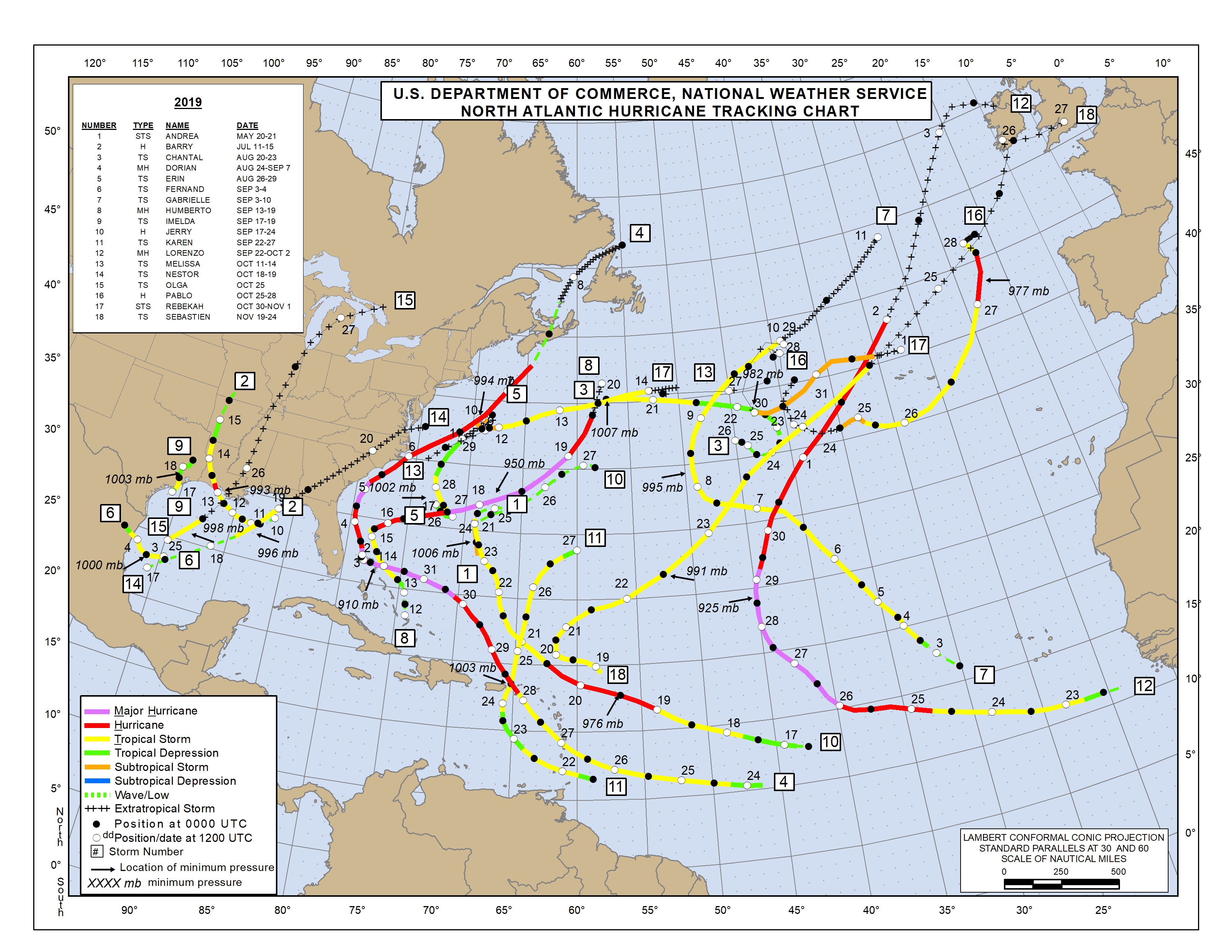
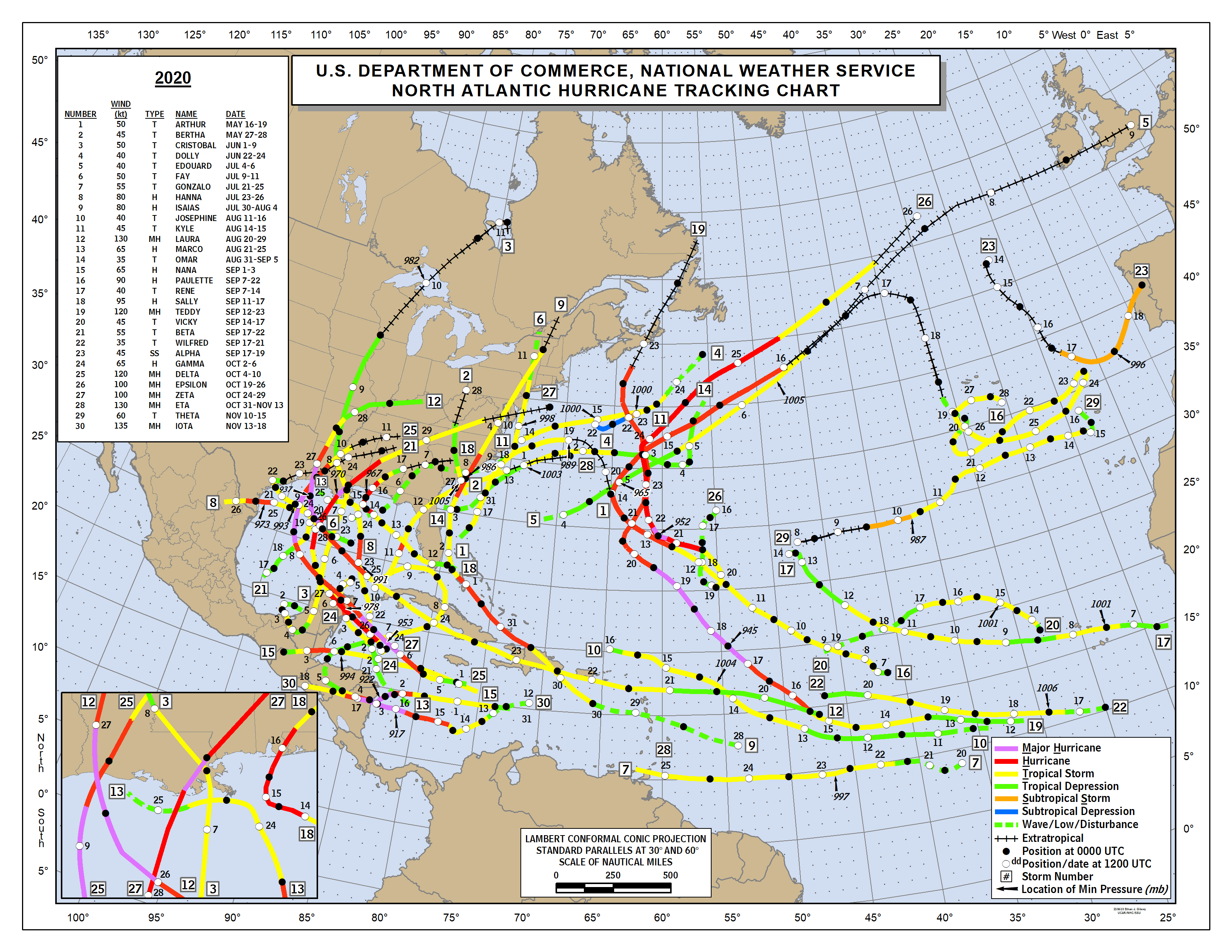
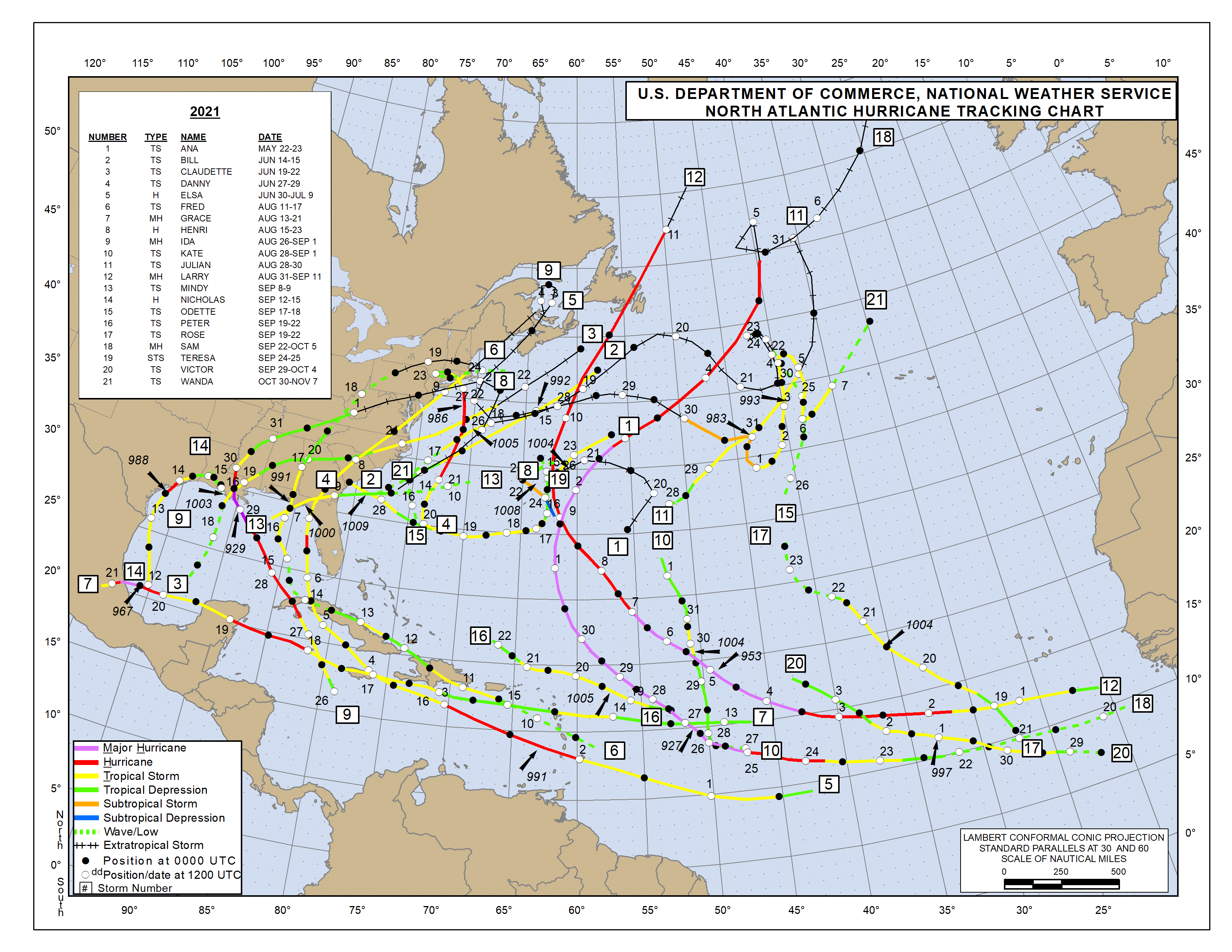
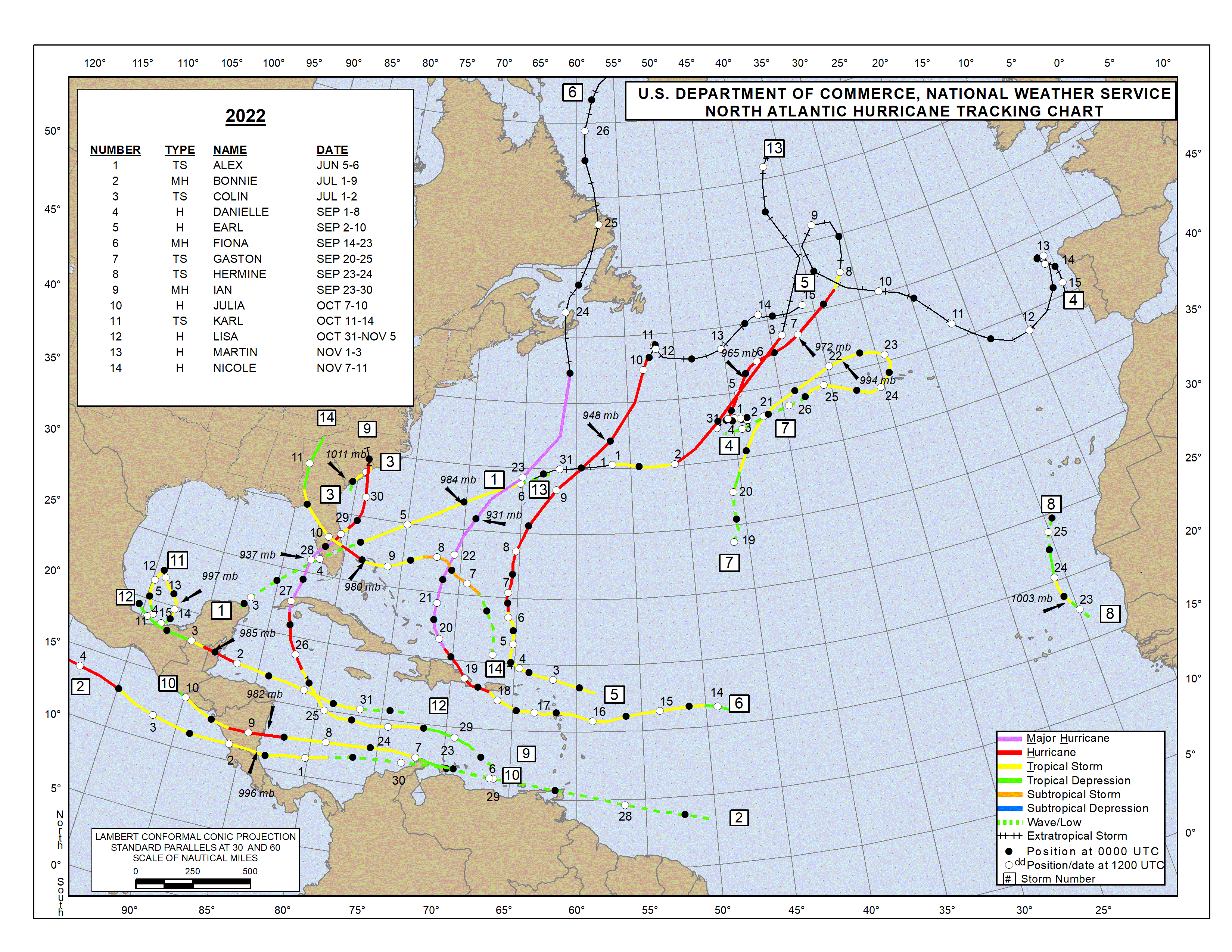
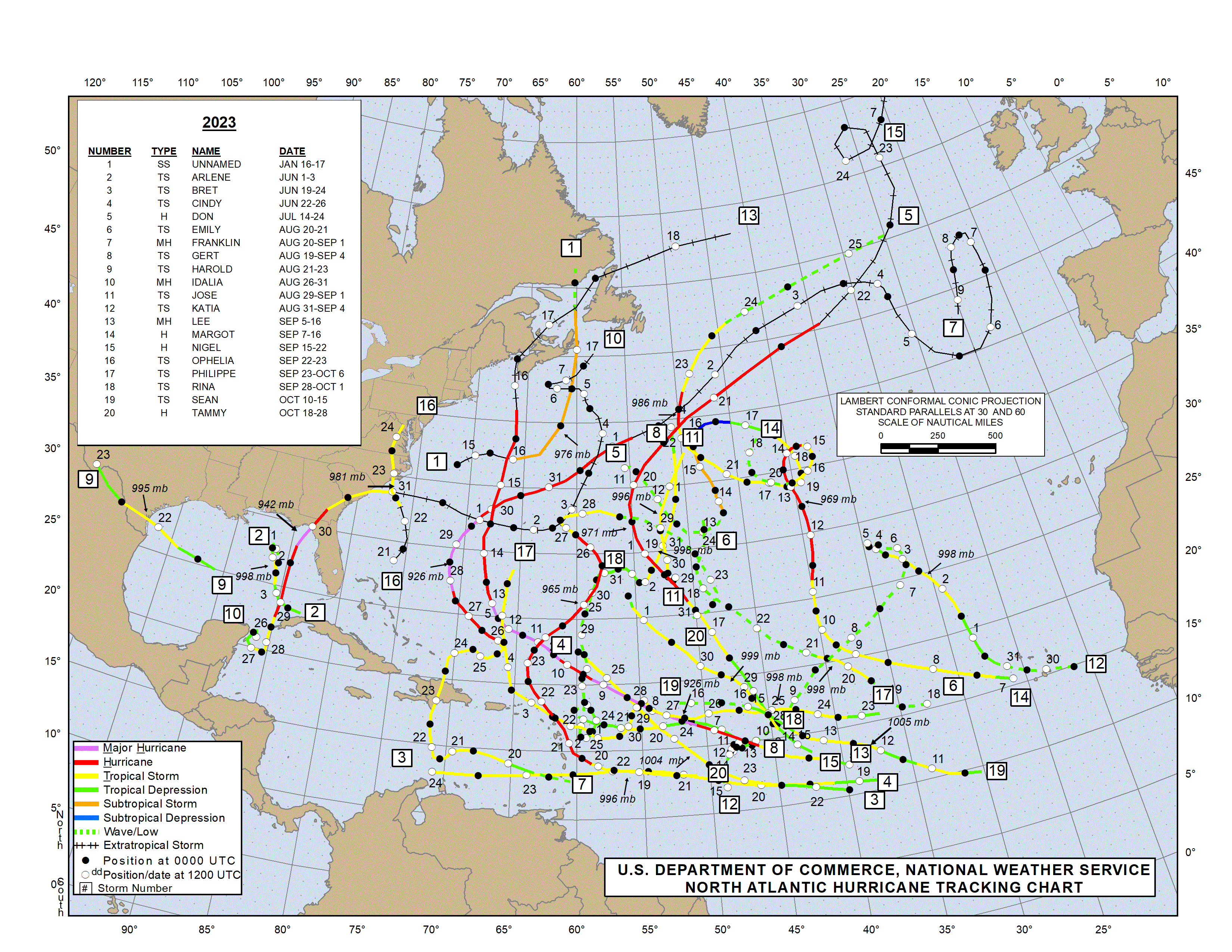
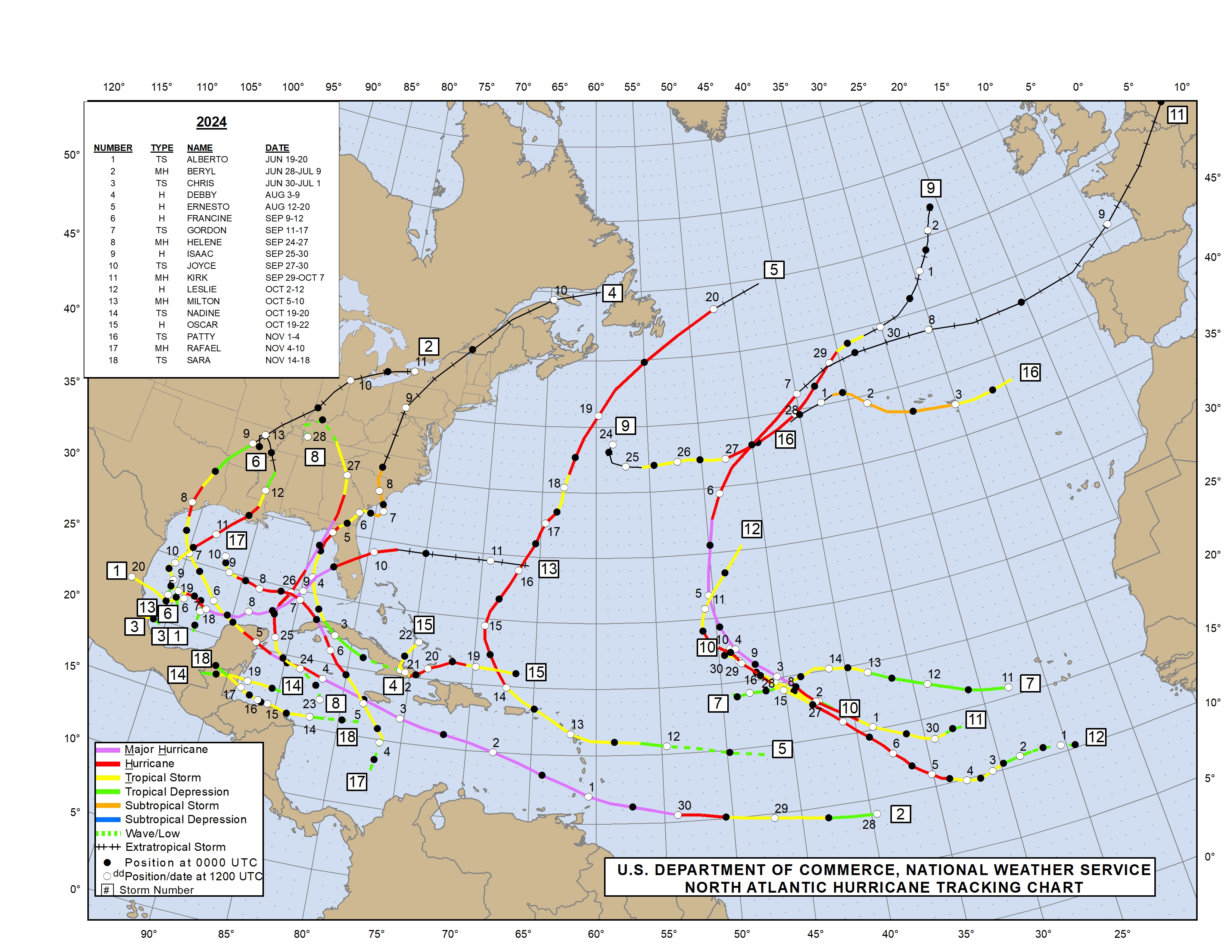
Global Historical Tropical Cyclone Statistics Year Named Storms Hurricanes Category 3+ Hurricanes 2016 83 47 26 2017 84 43 20 2018 104 60 33 2019 98 55 35 2020 104 47 24 2021 97 38 16 2022 91 42 17 2023 76 46 30 2024 87 42 23 2025 102 52 24 Source: Colorado State University Department of Atmospheric Science | Tropical Meteorology Project What happens to marine life when ocean temperatures are very high?
How do rising ocean temperatures affect ordinary people?
Do rising ocean surface temperatures make global heating worse?
What can we do to stop rising ocean temperatures?
How are governments supposed to protect the ocean?
What can we do about oil and gas companies that cause global heating that raises ocean temperatures?
Frequently Asked Questions
What is the ocean temperature’s role in extreme weather events?
What is the ocean temperature?
What problems can high ocean surface temperatures cause?
Does rising ocean surface temperatures make global heating worse?

COP31: bluster and rhetoric, but still short of ambition to end fossil fuels
Greenpeace International
Antalya, Türkiye – As thousands marched through Antalya to demand greater climate action, the first week of the UN summit COP31 has again exposed the lack of urgency among leaders to accelerate the end of fossil fuels despite the escalating climate crisis. At the mid-point of the conference, the COP31 Presidency released a summary of reflections on the proposed cover decision, providing a smorgasbord of options for the COP31 outcome, including proposals to advance the transition away from fossil fuels, recognition of the critical role of forests and oceans and a response to the urgency of the 1.5°C overshoot. Jasper Inventor, Head of COP31 Greenpeace Delegation, said: “It’s still far from enough. The first week of COP31 was heavy on rhetoric but painfully short on ambition. World leaders admit we are heading beyond 1.5°C, but their negotiators remain divided over how to accelerate the transition away from fossil fuels, protect ecosystems and deliver the climate finance needed to make it happen and support communities to adapt. “We are seeing familiar dynamics play out. Governments are largely repeating entrenched positions rather than finding ways to bridge their differences. Discussions are getting bogged down in procedural disputes and disagreements over what should even be on the negotiating table, instead of focusing on the urgent decisions needed to confront the climate crisis. “The contradiction is striking. Governments recognise the scale of the crisis but remain unwilling to take the decisions necessary to confront it. The gap between what leaders say on stage and what their negotiators are prepared to deliver remains deeply concerning.” To close out the first week of the conference, more than 100 civil society organisations, political parties and workers associations marched through Antalya in support of urgent climate action. Greenpeace joined the demonstration. The march will be followed by a Peoples’ Climate Summit that will start on Sunday. Berkan Özyer, Director of Greenpeace Türkiye, said: “Across Türkiye and around the world, people are standing up for their future against the destructive impacts of fossil fuels. As world leaders gather at COP31, we are marching alongside civil society representatives and climate activists from across the world to make sure people’s voices cannot be ignored. “Climate action must be shaped by the people most affected by the crisis, not dictated by the interests of those who profit from it. We need real commitments to move away from fossil fuels and deliver a just transition to a clean, renewable energy future. The people are ready for change, now governments must show they are too. “The second week of this COP must be about listening to the people. That means breaking the political deadlock, not negotiating the weakest agreement everyone can live with. The measure of success at COP31 must not be whether governments reach an agreement, but whether that agreement is strong enough to make a difference in the real world.” ENDS Photos and video are available in the Greenpeace media library Notes: [1] Greenpeace’s COP31 midpoint media briefing Contacts: Aaron Gray-Block, Greenpeace International, Climate Politics Communications Manager, aaron.gray-block@greenpeace.org Beyza Kural, Senior Communication Expert, Greenpeace Türkiye, +90 5336 417 123, beyza.kural@greenpeace.org Greenpeace International Press Desk, +31 (0)20 718 2470 (available 24 hours), pressdesk.int@greenpeace.org Texte intégral (661 mots)
Norway Supreme Court rules North Sea oil and gas approvals invalid in historic climate case
Greenpeace International
Oslo, Norway – The Grand Chamber of Norway’s Supreme Court has invalidated permits for three North Sea oil and gas fields, ruling that the government failed to account for the climate impact of burning the fossil fuels extracted. The decision deals a severe blow to the Norwegian state and energy giants Equinor and Aker BP, which developed the Breidablikk, Yggdrasil, and Tyrving fields. Haldis Tjeldflaat Helle, Norway lead in Greenpeace Nordic, said: “This historic ruling changes Norwegian oil policy forever, and sets a precedent the world cannot ignore. Norway can no longer ignore the global damage caused when its oil and gas are burned abroad. Norwegian authorities are now obligated to take into account the enormous climate damage caused by Norwegian oil and gas. This is a momentous victory for global climate justice.” By affirming lower court rulings, the Supreme Court established that environmental assessments must evaluate Scope 3 emissions, the carbon released wherever combustion takes place. The victory is the culmination of a years-long battle for Greenpeace Nordic and Young Friends of the Earth Norway (Natur og Ungdom). The case was initiated by Greenpeace Nordic and Young Friends of the Earth Norway, who successfully challenged the licenses of the North Sea fields Yggdrasil, Breidablikk and Tyrving in 2024. The decision was appealed by the Norwegian Government in the Borgarting Court of Appeal and later the Norwegian Supreme Court. A central issue in the case is that the climate impacts of burning the oil and gas produced by new projects were not assessed before the projects were approved. Courts, including the European Free Trade Association (EFTA) Court, have confirmed that such assessments are required. As the EFTA Court interprets EU law, this requirement applies across the European Economic Area, not just in Norway. In October 2025, the European Court of Human Rights confirmed that Article 8 of the European Convention on Human Rights requires states to assess the climate impacts of emissions from the burning of fossil fuels, including emissions generated outside their borders, before approving projects. This obligation applies to all Council of Europe members, giving the judgment far-reaching implications for fossil fuel approvals across Europe. Sigrid Hoddevik Losnegård, Head of Natur og Ungdom, said: “This is a huge victory for today’s children who are growing up in a world fundamentally altered by climate change. Young people took the state to court, and we won. It proves that our struggle for climate justice has real force. Now, it is up to the politicians to act.” Attorney Jenny Sandvig of the law firm Simonsen Vogt Wiig, who delivered her third child this week and who represents the environmental organisations, said: “The environmental organisations have won a big victory today, it’s their victory and it’s a privilege to represent them. It’s a huge Grand Chamber win today for the organisations, which will have immense existential repercussions for future generations. Today marks a victory for democracy.” ENDS Photos are available in the Greenpeace Media Library. Contacts: Haldis Tjeldflaat Helle, Norway lead in Greenpeace Nordic: +47 93473213, haldis.helle@greenpeace.org Sigrid Hoddevik Losnegård, Head of Natur og Ungdom (Young Friends of the Earth Norway): +47 405 29 471, sigridl@nu.no Greenpeace International Press Desk: +31 (0) 20 718 2470 (available 24 hours), pressdesk.int@greenpeace.org Texte intégral (649 mots)
🌱 Bon Pote
Actu-Environnement
Amis de la Terre
Aspas
Biodiversité-sous-nos-pieds
🌱 Bloom
Canopée
Décroissance (la)
Deep Green Resistance
Déroute des routes
Faîte et Racines
F.N.E (AURA)
Greenpeace Fr
Journalistes d'Investigation Ecologie Climat
Journalistes & Ecrivains Nature Ecologie
La Relève et la Peste
La Terre
Le Lierre
Le Sauvage
Low-Tech Mag.
Motus & Langue pendue
Mountain Wilderness
Negawatt
Observatoire des médias sur l Écologie
🌱 Observatoire de l'Anthropocène