
Bellingcat est un groupe international indépendant de chercheurs, d’enquêteurs et de journalistes citoyens utilisant à la fois enquêtes open source et réseaux sociaux
▷ BELLINGCAT FRANÇAIS
19.09.2026 à 19:46
Christy Kinahan’s UAE Residence Visa Cancelled
Financial Investigations Team
This article is the result of a collaboration with The Sunday Times. You can find their corresponding piece here. Sign up here to receive Bellingcat’s biggest investigations by email as soon as they are published. Christy Kinahan, the Irish founder of the Kinahan Organised Crime Group who is being pursued by authorities around the world […]
The post Christy Kinahan’s UAE Residence Visa Cancelled appeared first on bellingcat.
Texte intégral (1528 mots)
This article is the result of a collaboration with The Sunday Times. You can find their corresponding piece here.
Sign up here to receive Bellingcat’s biggest investigations by email as soon as they are published.
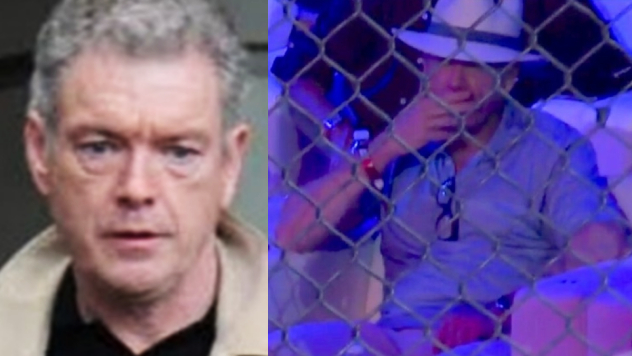
Christy Kinahan, the Irish founder of the Kinahan Organised Crime Group who is being pursued by authorities around the world from his bolthole in the United Arab Emirates (UAE), has had his residence permit cancelled.
The visa was cancelled at the end of last month, just weeks after the extradition of his eldest son Daniel Kinahan from Dubai to Ireland, where he is charged with directing the activities of a criminal organisation.

Support Bellingcat
Your donations directly contribute to our ability to publish groundbreaking investigations and uncover wrongdoing around the world.
It follows a review of public immigration records by Bellingcat and The Sunday Times, published in August, which revealed that Christopher Kinahan Jr, another of Christy Kinahan’s sons, was recently issued with a new two-year visa in the UAE.
This is despite his status as a sanctioned individual who, like his father and older brother, is the subject of a $5 million reward from the US government for information leading to his arrest or conviction.
Last month, we also exposed the residence statuses of the crime gang’s other sanctioned leaders who remain at large in Dubai. These include cartel lieutenant Bernard Clancy, whose residence permit was renewed in January, as well as padel poster boy Ian Dixon and Christy Kinahan, who have been living in Dubai on expired permits.
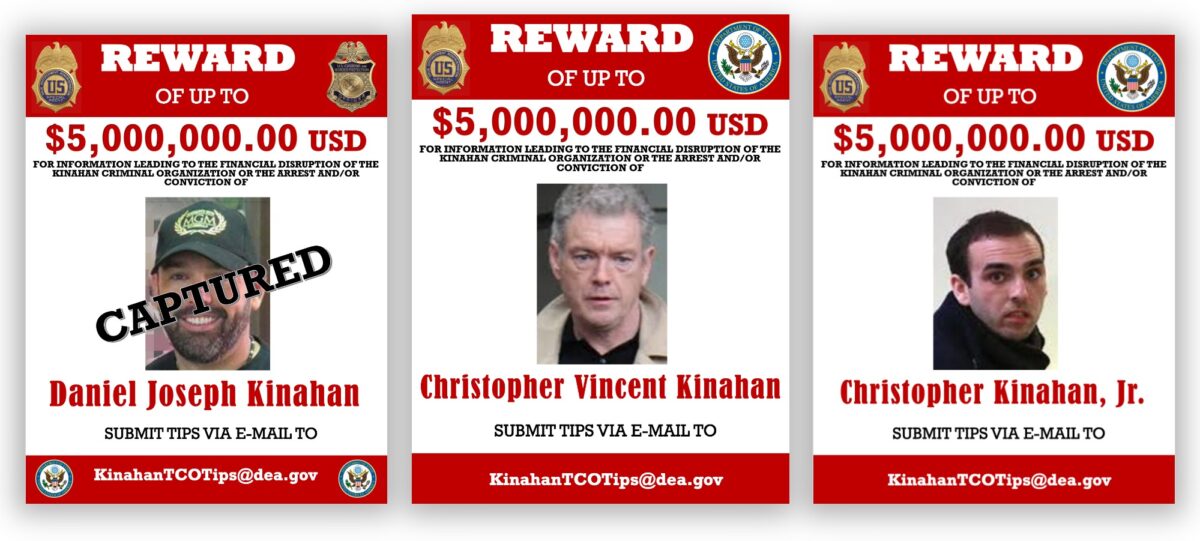
The cartel members had all obtained employment-based residence visas sponsored by Dubai companies, which are required to apply for employee work permits through the UAE’s Ministry of Human Resources and Emiratization.
Christy Kinahan’s most recent visa listed his employer as OSA Management Consultancies DWC LLC, which is based at the same Dubai address as cartel-linked firm CV Aviation Consulting Services DWC LLC. The visa expired on April 1.
A new search of Emirate government portals shows the visa was subsequently cancelled on August 31.
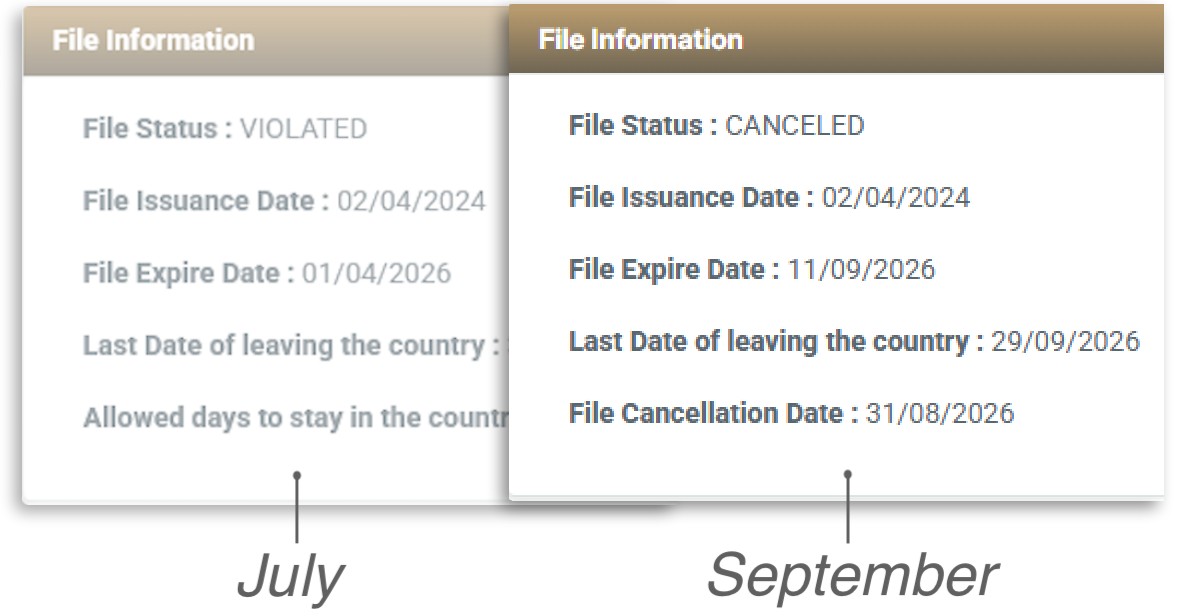
According to information published by a UAE government-authorized service provider, visa cancellation applies to people who leave the country permanently, alter their visa category or change employer. For employment-based residence visas, the cancellation process must be initiated by the employer or an authorised representative.

In the case of Kinahan’s visa, the specific reason for the cancellation is unknown. However, his last date for leaving the country is listed as September 29 in the government immigration file. This is in line with the 30-day grace period granted to holders of standard employment visas after cancellation.
The Sunday Times reports today that Europe’s intelligence services believe Kinahan is still in Dubai, though rumours that he has moved to Africa have sparked speculation he has already fled the Gulf. It also reports that the cartel leader has moved assets out of the Emirates as the crime group breaks into rival factions.
The Kinahan Organised Crime Group is a $1.5 billion transnational network involved in drug trafficking, money laundering and arms smuggling. Investigators have connected it to Iran’s intelligence services and the Lebanon-based militant group Hezbollah.
The UAE foreign ministry has been contacted for comment.
Connor Plunkett, Peter Barth, Beau Donelly and John Mooney contributed to this article.
Bellingcat is a non-profit and the ability to carry out our work is dependent on the kind support of individual donors. If you would like to support our work, you can do so here. You can also subscribe to our Patreon channel here. Subscribe to our Newsletter and follow us on Bluesky here, Instagram here, Reddit here and YouTube here.
The post Christy Kinahan’s UAE Residence Visa Cancelled appeared first on bellingcat.
16.09.2026 à 18:04
“A Recurring Pattern”: Civilians Paying the Price in Mali’s Drone Campaign
Sebastian Vandermeersch

Sign up here to receive Bellingcat’s biggest investigations by email as soon as they are published. WARNING: This report contains links to graphic images and footage. A joint Bellingcat and Jeune Afrique investigation into drone strikes carried out by the Malian military adds new details about the attacks which frequently are carried out in civilian areas and have […]
The post “A Recurring Pattern”: Civilians Paying the Price in Mali’s Drone Campaign appeared first on bellingcat.
Texte intégral (3381 mots)
Sign up here to receive Bellingcat’s biggest investigations by email as soon as they are published.
WARNING: This report contains links to graphic images and footage.
A joint Bellingcat and Jeune Afrique investigation into drone strikes carried out by the Malian military adds new details about the attacks which frequently are carried out in civilian areas and have reportedly resulted in the deaths of civilians.
The incidents, concentrated in northern Mali, often involved strikes on vehicles or commercial activity. Video footage of the strikes is often broadcast on national television, portrayed as precise attacks against terrorists and their logistics.
Mali’s military government acquired its first Turkish-made Bayraktar TB2 drones in late 2022, and regularly releases footage of drone strikes to be broadcast on national television, describing them as “precise” and describing the targets as “terrorists and their logistics”. This month marks three years since Mali joined with Burkina Faso and Niger to form the Alliance of Sahel States (AES). Its military government has made restoring national sovereignty a central part of its political message.
Support Bellingcat
Your donations directly contribute to our ability to publish groundbreaking investigations and uncover wrongdoing around the world.
Bellingcat geolocated more than a dozen drone strikes including instances in which civilian deaths and injuries were reported. However, this represents just a fraction of the strikes that have taken place in northern Mali, with many more conducted for which footage was not available or further details were harder to verify as the locations are so remote.
Yvan Guichaoua Senior Researcher at the Bonn International Centre for Conflict Studies told us the Malian military’s drone strikes appeared to fit a pattern of “guilt by location” in which people may be treated as targets based on where they are rather than who they are.
He added that the broadcast of drone strikes on national television, often accompanied by dramatic commentary created a familiar narrative for veiwers that was akin to daily episodes “of a national saga”. Yet the impact of the drone war on civilians and non-combatants is seldom covered in such reports.
Mali’s civil war involves separatist and Islamist groups and has been ongoing since 2012, predating the formation of the AES. But the conflict has spiked in 2026 as Tuareg separatists from the Azawad Liberation Front (FLA) and militants from the al-Qaeda affiliated Jama’at Nusrat al-Islam wal-Muslimin (JNIM) seized control of parts of the country’s north in coordinated attacks against the Malian military and Russia’s Africa Corps forces. The Malian military (known hereafter by their official name Forces Armées Maliennes or FAMa) has relied heavily upon drone strikes in response.
We contacted FAMa and put our findings to them but did not received a substantive response at time of publication.
Destruction in Zouera
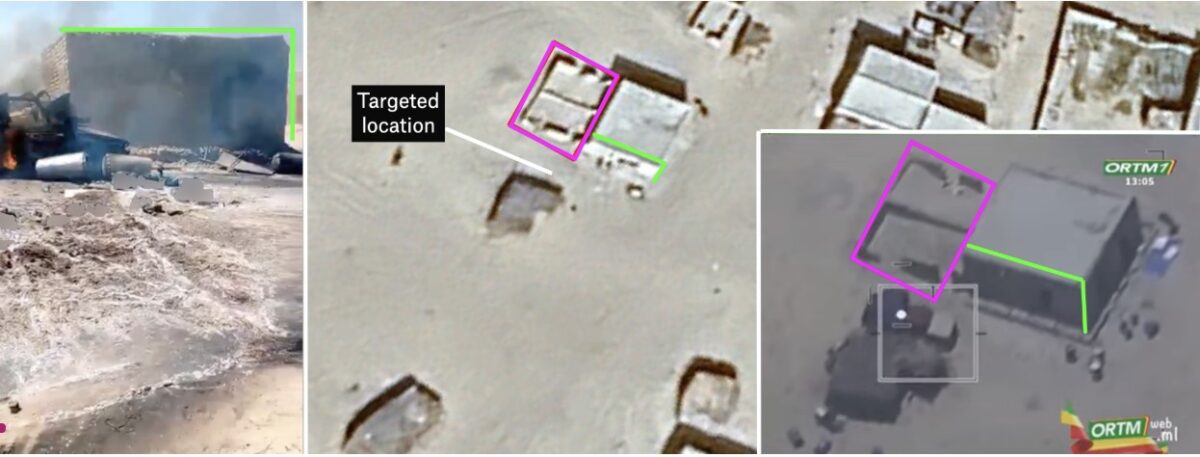
In one notable case – on July 8, 2025 FAMa presented a drone strike in the town of Zouera, in the Timbuktu region, as a successful operation against a supply vehicle for terrorists in footage broadcast on ORTM1 [4:50-5:31]. Drone footage shows a person walking near the vehicle before it is struck. The explosion immediately ignites a nearby structure, while several people can be seen running away.
One video of this incident, apparently showing the aftermath of the attack, shows the remains of a person inside the burnt-down structure, which was located directly beside the vehicle that was hit in the strike. We also checked satellite imagery and found a noticeable burn scar at the location in imagery taken on Jul 9, 2025, that wasn’t visible the previous day.
Bellingcat geolocated the strike site to the coordinates 16.84589, -3.85213, inside Zouera. Several videos filmed in the immediate aftermath show the destroyed vehicle, a large plume of black smoke, and the nearby structure engulfed in flames.
Information gathered by Médecins Sans Frontières (MSF) and posted on X on July 11, 2025, stated four people were killed in the strike, including three young girls. MSF added that five others were treated for injuries at a local health centre, one of whom was in a serious condition.
#Mali
— MSF Western & Central Africa (@MSF_WestAfrica) July 11, 2025: Après une frappe aérienne ayant touchée le marché de #Zouéra, cercle de Goundam, région de #Tombouctou, les équipes MSF ont pris en charge ce mardi 8 juillet 5 blessés, dont un cas grave, au centre de santé local. 4 personnes ont perdu la vie, dont 3 jeunes filles. pic.twitter.com/cTdLiY9bG8
Amasrakad Strike
Zouera was not an isolated incident. Footage from March 2024 that was released by the Malian military and again aired on ORTM1 showed two drone strikes in the town of Amasrakad that resulted in the deaths of civilians, according to witness testimony and previous reporting by Amnesty International.
The footage shows an initial strike hitting a parked pick-up truck before cutting to a second strike on a nearby compound, where several people can be seen running moments before impact. The first strike was geolocated to the coordinates 17.08402, 0.76204, by France 24.
Bellingcat geolocated the second strike to a structure within a nearby compound at coordinates 17.081613, 0.768012, where the drone footage shows several people scrambling before impact. Separate graphic footage published by the Spokesperson for the Awazad Liberation Front on X the following day shows several dead people including what appeared to be women lying in and around the compound. France 24’s previous reporting on the strike included images of covered bodies inside a destroyed tent, as well as an image of a child that was reportedly injured during the strike.
Our partner Jeune Afrique obtained testimony from the man who filmed the footage. He said the second strike killed 13 members of two families, including several children, who had gathered in a tent for shelter after the first strike. He added that he helped take eight injured people to health centres. The man told Jeune Afrique he has now joined the separatist FLA group following the attacks.
This testimony would appear to support a 2024 Amnesty International report that stated at least 13 civilians, including seven children, were killed and more than a dozen people injured. Amnesty reported speaking to seven survivors and eyewitnesses who said the first strike hit a Toyota Hilux used by the local health centre. Believing the vehicle had been the target, residents fled to a nearby compound to seek shelter. The second strike then hit the compound directly, the Amnesty report stated.
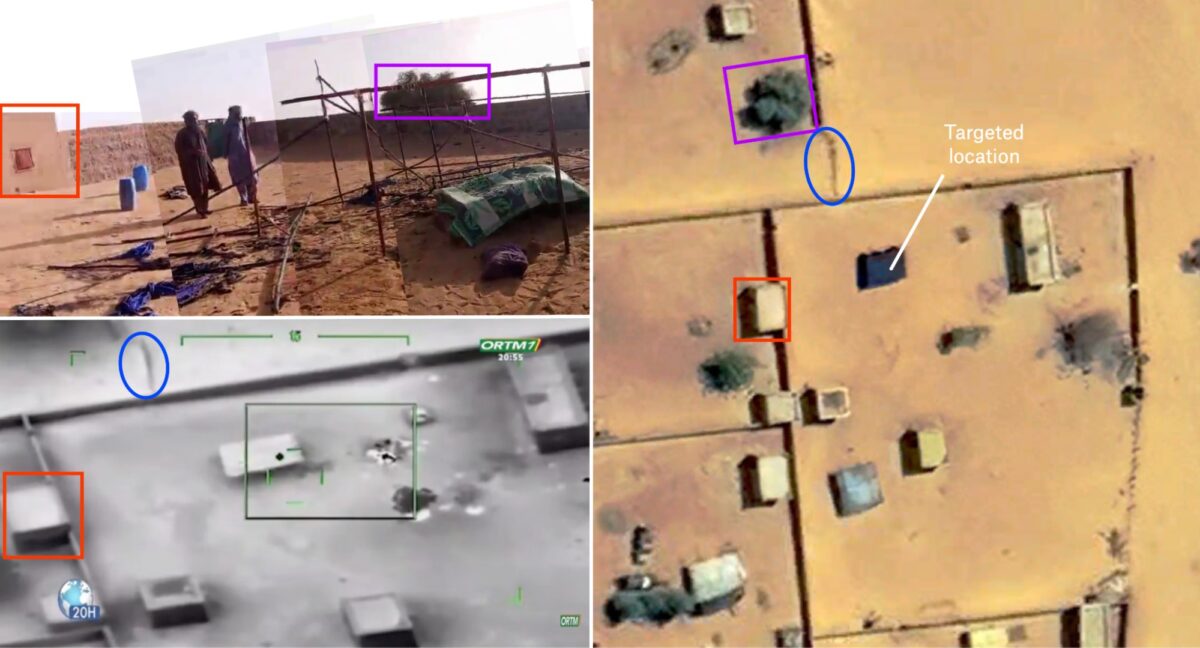
The FAMa claimed in an official statement just after that attack that: “These operations neutralised several terrorists and destroyed a significant quantity of military equipment and vehicles.” While the pro-Azawad separatist group, the CSP gave a different account, condemning the strikes and claiming that they had killed 13 of which a majority were women and children.
We contacted FAMa to ask whether it maintains that those killed were members of an armed group, whether steps were taken to establish if civilians were present before the strike was carried out and whether an investigation was done into the reports of civilian deaths. We did not receive a reply at time of publication.
Two Strikes in Tinzaouaten
Some of the cases we geolocated had been documented previously. However, we were able to add new details about several strikes. The town of Tinzaouaten near Mali’s northeastern border with Algeria endured two major drone strikes in 2024, reportedly in retaliation for a major assault carried out by separatist and Islamist forces against Malian troops and Russian mercenaries. On July 30, 2024, the Malian military stated it had launched an air campaign around Tinzaouaten in coordination with the military government of Burkina Faso and had targeted “high-value targets”, including caches, logistics hubs and vehicles.
Bellingcat geolocated this footage posted on the day of the strike to 19.92476, 2.98003. The footage shows several damaged structures and what appears to be one casualty.
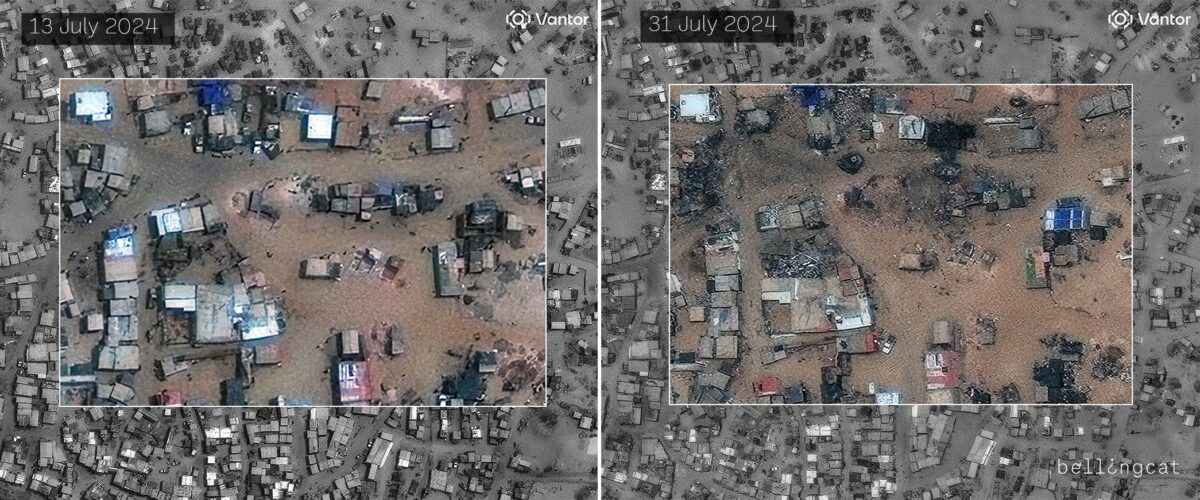
Pits and infrastructure which appear to be consistent with a mine are visible in satellite imagery of the area.
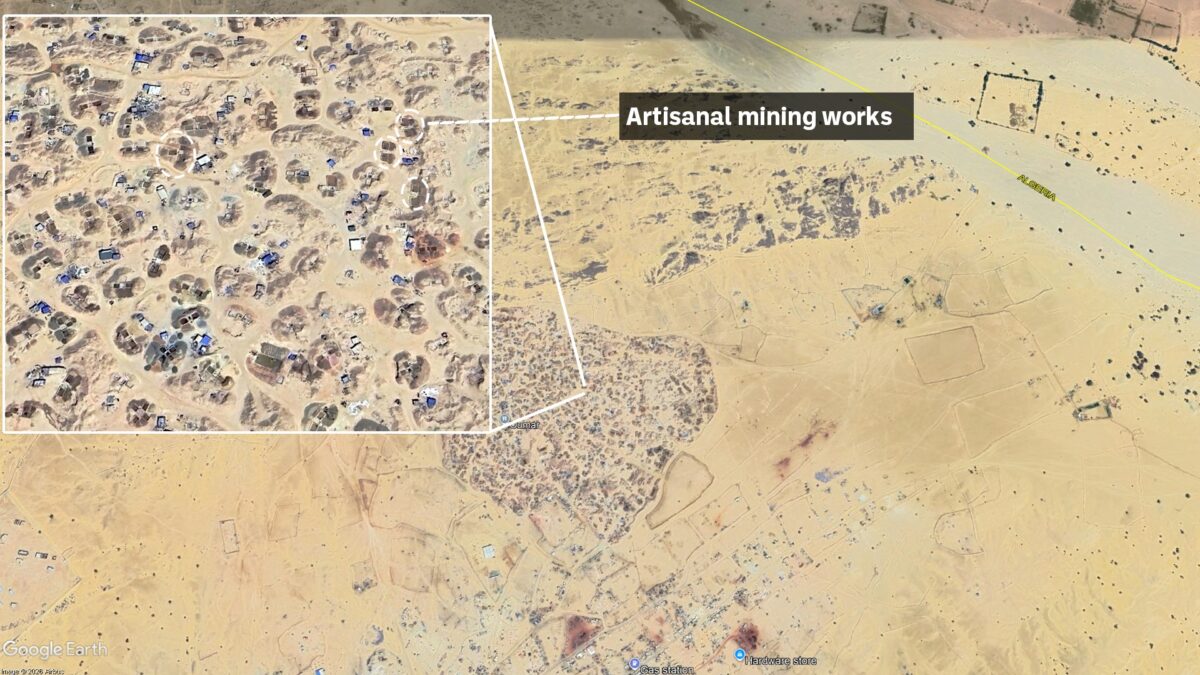
Bellingcat geolocated an additional video posted by a pro-Azawad media outlet showing destruction posted on X to the coordinates 19.92502, 2.98013. In another video geolocated to this site, a man claims he is at the “Inkharaban mine, near the Azawad-Algeria border.”
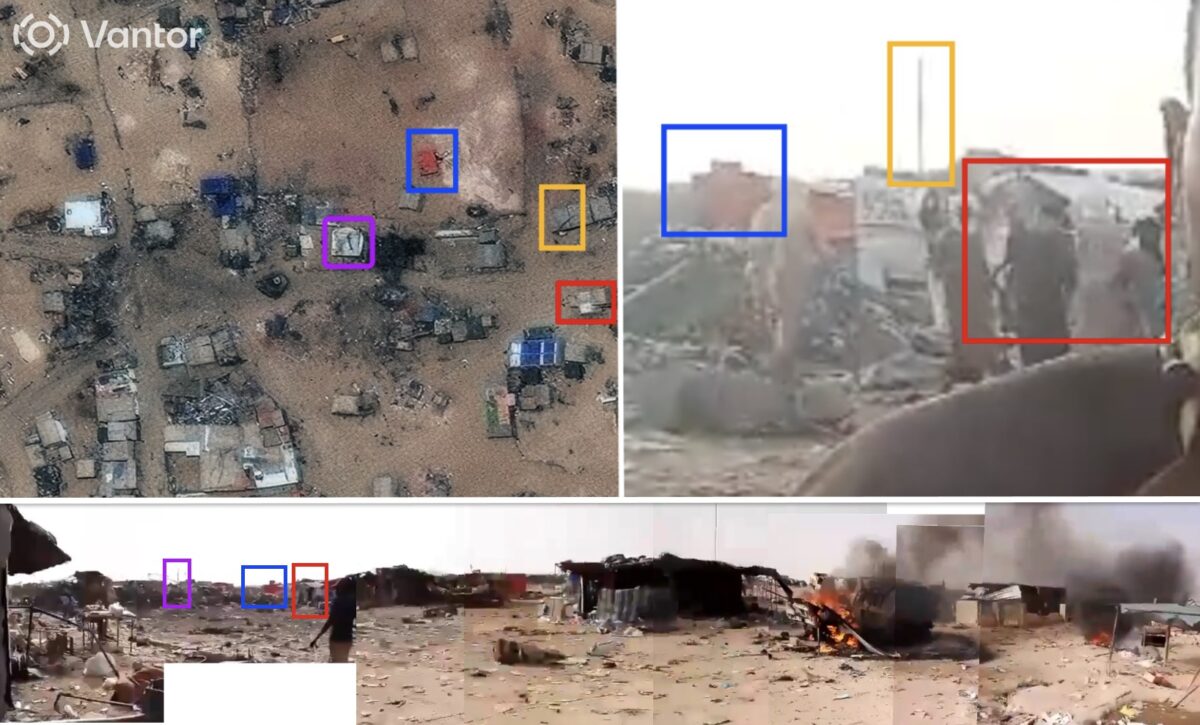
The Second Strike
A month later, on August 25, 2024, FAMa stated it had identified pickup trucks carrying military equipment in Tinzaouaten. It said that, “After careful surveillance, a series of strikes destroyed these terrorist targets and neutralized around twenty armed individuals.” On news channel ORTM1 the newsreader described the operation as “precision strikes targeting terrorist objectives”.
Bellingcat geolocated footage shared online by the pro-separatist Press and Media Agency of Azawad showing the destruction at the coordinates 19.95107, 2.97284, in Tinzaouaten.
Bellingcat also geolocated two images showing casualties at this location. One image shows a group of around eight bodies, while another graphic image shows the bodies of two young boys around 20-meters away (19.9512, 2.97307). We could not confirm whether or not those pictured were civilians though a resident told Reuters that civilians were killed in drone strikes on the town.
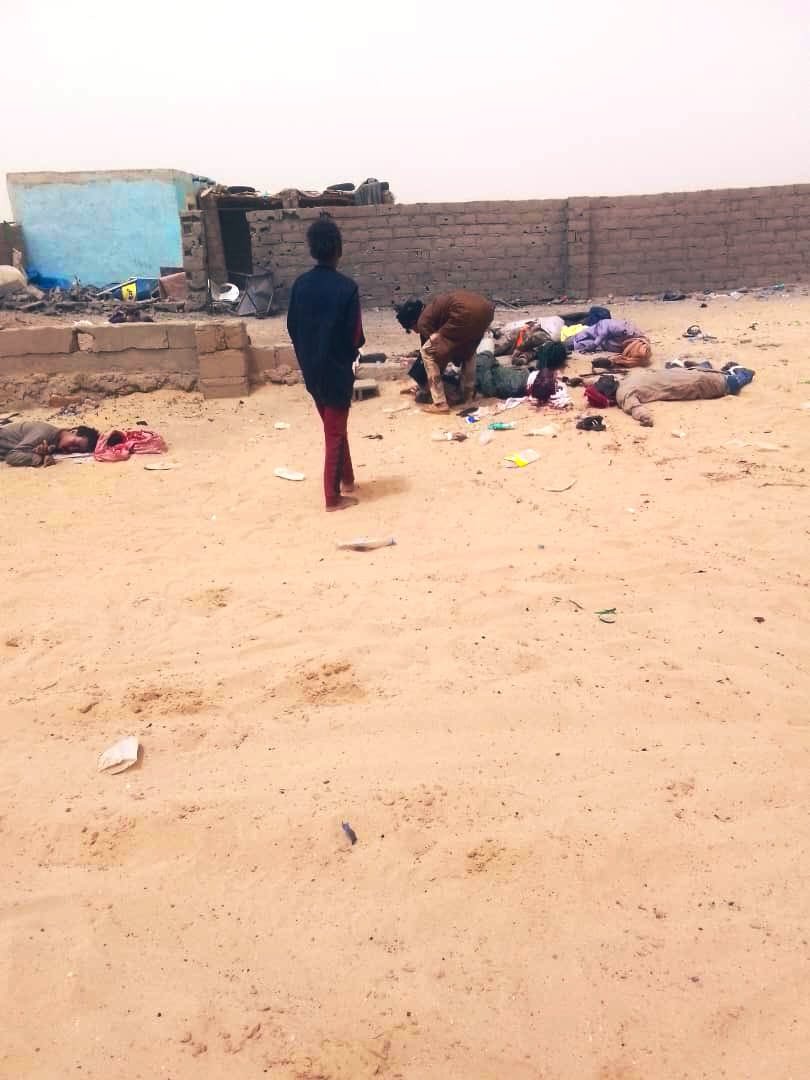
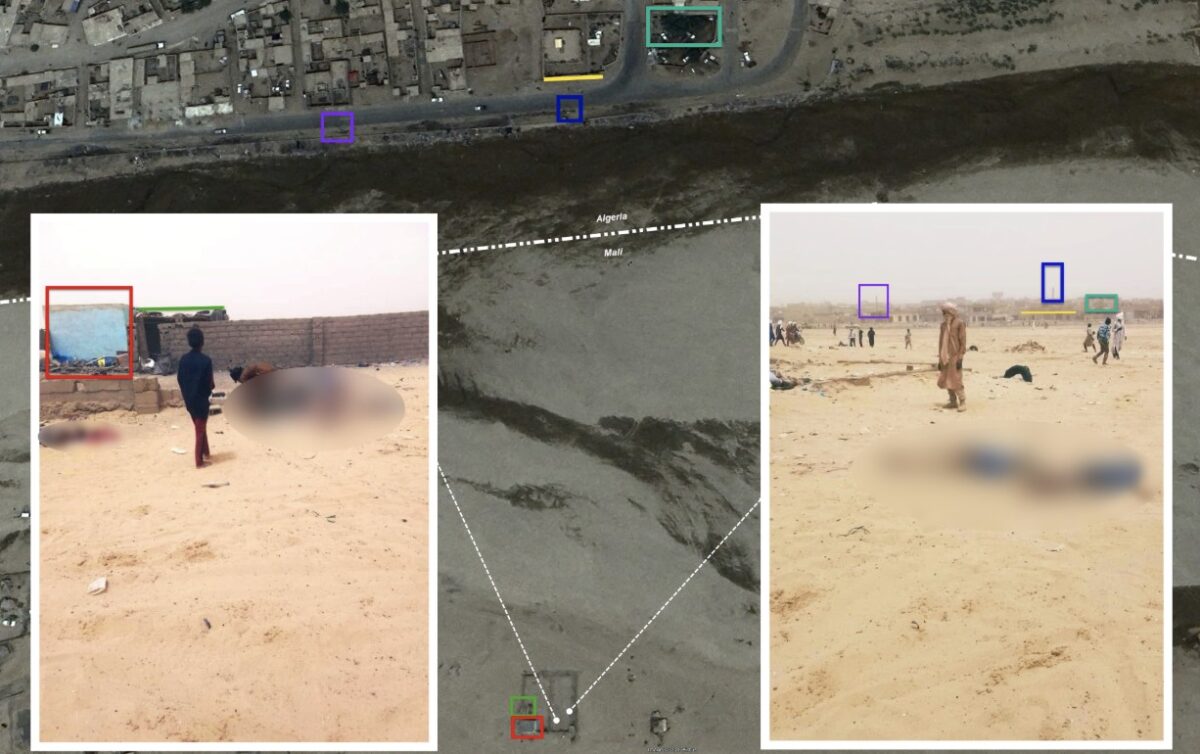
Bellingcat contacted FAMa to ask about the two strikes in Tinzaouten in the summer of 2024. We asked the military what steps were taken to establish whether civilians were present when the strikes were carried out and whether any investigation has been carried out into the two strikes, but we had not received a response at time of publication.
In addition to the above incidents Bellingcat geolocated additional drone strikes based on footage broadcast on ORTM and added them to the below map. We were not able to confirm who was killed in the additional strikes but evidence we analysed show strikes often taking place within populated villages or against vehicles and fuel supplies.
14.09.2026 à 15:36
Bellingcat Official Merch Design Contest
Bellingcat Development Team
Guess what? Bellingcat is finally launching an official merch line! That’s right: after years of fantasizing and wishing, we’re finally ready to get our name and logo on cool merch that you’ll be able to show off. We’re working with a high quality, sustainable merchandising company to make all kinds of cool swag: coffee cups, […]
The post Bellingcat Official Merch Design Contest appeared first on bellingcat.
Texte intégral (1301 mots)

Guess what?
Bellingcat is finally launching an official merch line! That’s right: after years of fantasizing and wishing, we’re finally ready to get our name and logo on cool merch that you’ll be able to show off. We’re working with a high quality, sustainable merchandising company to make all kinds of cool swag: coffee cups, caps, t-shirts, hoodies, and more!
We want your help designing the merch!
It’s not a Bellingcat project if it doesn’t involve you, our community, and our official merch launch is no different. As part of this exciting launch, we’re asking you to submit design ideas for the merch.
Close your eyes and think “Bellingcat”. What do you see? Draw it, write it, paint it—get original and creative, and send it to us! We’re only interested in what you can come up with, so leave the AI at home.
Our staff will review your submissions and pick the ones that we like the most. We’ll score them on originality, creativity, and how well they reflect the Bellingcat essence. If we pick yours, we’ll let you know and give you free merch with your design on it!

How to submit your design ideas
To submit your design idea, simply upload an image via this Google Form. Once our staff reviews your submissions, we’ll conduct public voting to select the winning submissions. Our staff will let you know by November 6, 2026 if yours was one of the winning designs. We’ll then work with you to put the merch with your amazing design on it in your hands!
For more information on the terms and conditions of the contest, make sure to read this page. Please keep all submissions appropriate for a general audience. Content containing profane, lewd, explicit, discriminatory, or harassing material will be rejected immediately without review.
The last day to make your submission is October 2, 2026.

Please see our FAQ below:
Who owns the design?
If your submission is selected as a winning entry, you agree to transfer all commercial, intellectual property, and copyrights worldwide to Bellingcat Stichting. To legally formalize this transfer, winning entrants will be required to sign a separate deed of transfer under Dutch law. However, you shall retain your moral rights under Dutch law, including the right to be acknowledged as the author of the work. If your design is not selected, you retain full ownership of your artwork. By submitting an entry, all participants grant Stichting Bellingcat a non-exclusive, worldwide, royalty-free license to display and share the artwork solely for the purpose of promoting the competition, conducting public voting, and reviewing entries.
Are you accepting AI-generated submissions?
No thank you, we are looking for human-designed creations!
Will I get paid for my submission?
If your design is chosen and you have provided your contact details, you’ll receive an exclusive voucher code which will cover the purchase of a product of your choice that features your design.
Will Bellingcat make money on my design?
Any profit from merchandise sales will go towards the Bellingcat Stichting Foundation, which will help us run our operations and keep our investigations independent.
How long will winning designs be in circulation?
This design submission is for a limited time capsule event. The designs chosen will only be available until the limited stock lasts.
What do you mean by a sustainable print on demand company?
The platform we’re using to create the merchandise is Fourthwall, which offers many sustainable print on demand providers.
Who will select the winning designs?
Bellingcat staff members will shortlist the initial submissions and then the public will be given the opportunity to vote on the final selection of designs and products which will be anonymised. The ones that receive the most votes will be selected for production.
What level of effort do I need to put in here? I’m not a professional artist!
Don’t doubt yourself! We want to see where your creativity takes you. Submissions are evaluated as creative concepts; final execution, text layout, and color formatting will be finalized by our production team. Bellingcat Stichting and its printing partners reserve the right to modify or adjust the design strictly to ensure compatibility with apparel printing processes, manufacturing standards, and brand guidelines. However, we will respect your moral rights as the author and will not make substantial alterations that harm the integrity of the original work without your prior consultation and consent.
What makes a winning design?
We will use three categories to score designs out of five. The three categories designs will be marked on are: originality, creativity, and speaks to our collective mission.
Can I submit more than one entry?
Brimming with ideas? You can submit more than one design to the contest. To do so, either combine multiple designs into one file, clearly labelling them as separate concepts, or fill out the form separately for each design.
The post Bellingcat Official Merch Design Contest appeared first on bellingcat.
- GÉNÉRALISTES
- Le Canard Enchaîné
- La Croix
- Le Figaro
- France 24
- France-Culture
- FTVI
- HuffPost
- L'Humanité
- LCP / Senat
- Le Media
- La Tribune
- Time France
- EUROPE ‧ RUSSIE
- Courrier Europe Ctrale
- Desk-Russie
- Euractiv
- Euronews
- Toute l'Europe
- Afrique ‧ Asie ‧ Proche-Orient
- Haaretz
- Info Asie
- Inkyfada
- Jeune Afrique
- Kurdistan au féminin
- L'Orient - Le Jour
- Orient XXI
- Rojava I.C
- INTERNATIONAL
- Courrier International
- Equaltimes
- Global Voices
- Infomigrants
- I.R.I.S
- The New-York Times
- OSINT ‧ INVESTIGATION
- OFF Investigation
- OpenFacto°
- Bellingcat
- Disclose
- G.I.J
- I.C.I.J
- OPINION
- Au Poste
- Cause Commune
- CrimethInc.
- Hors-Serie
- L'Insoumission
- Là-bas si j'y suis
- Les Jours
- LVSL
- Politis
- Quartier Général
- Rapports de force
- Reflets
- Reseau Bastille
- StreetPress
- OBSERVATOIRES
- Armements
- Acrimed
- Conspirationnisme
- Culture
- Curation IA
- Extrême-droite
- Human Rights Watch
- Inégalités
- Justice fiscale
- Liberté de création
- Multinationales
- Situationnisme
- Sondages
- Street-Médics
- Routes de la Soie
- Wokisme